
5040-Y80R: The Color of Sweden’s Architectural Identity
5040-Y80R is more than just a color; it’s the official designation for Falu red, a hue deeply intertwined with Sweden’s cultural heritage. This distinctive red is a trademarked color, stemming from historical mining practices and unique chemical compositions.
The Origins of Falu Red
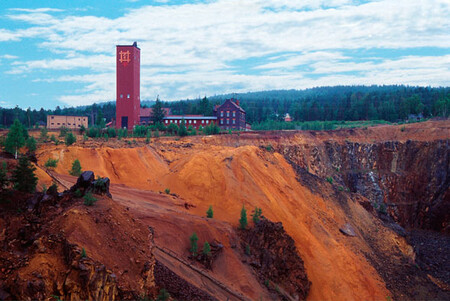
Falu red traces its roots to Sweden’s Dalarna region, home to the Falun Great Copper Mountain. Vikings were already mining this site by 850 AD. However, it wasn’t until the 16th century that the mining byproducts were repurposed into a pigment used for painting.
From Waste to Wonder
The pigment, known as Falu rödfärg or “red mulch,” comprises a mixture of over 20 minerals, with iron oxide lending its characteristic reddish hue. The Swedes began mixing it with water, oils, tar, and even rye flour to create a highly durable paint.
Benefits of Falu Rödfärg
The use of this red mulch had unexpected advantages. Not only did it beautify wooden structures, but it also offered excellent protection against harsh weather, prolonging the lifespan of buildings—a crucial factor given that wood was a primary construction material in Sweden.
Growth of an Industry
As the demand for Falu red paint soared, production skyrocketed from about 25 tons in the mid-1760s to over 2,000 tons by 1930. Its widespread popularity made this luxurious paint accessible not only to the elite but also to the general populace.
The Aesthetic Appeal
Initially reserved for the wealthy, Falu red eventually adorned the façades of rural homes, with many choosing to paint the most visible sides. As the 19th century progressed, artists like Carl Larsson captured the idyllic image of red houses with white corners, establishing a visual identity that persists to this day.
Cultural Significance
Falu red became emblematic of Swedish identity. Even after the dissolution of the Norwegian-Swedish union in 1905, many immigrants took this color to North America, constructing their farms in homage to their homeland.
A National Symbol
The phrase den röda stugan och potatislandet (“the red house and the potato garden”) encapsulates the Swedish ideal of a simple, harmonious life in connection with nature. Today, Falu rödfärg is not as critical for construction as it once was due to synthetic alternatives, yet it remains a powerful symbol of banal nationalism, representing belonging without the need for flags or anthems.
Conclusion
Though the production of Falu rödfärg has diminished, its significance endures. This specific shade of red is a testament to Sweden’s rich history and cultural identity, illustrating how a simple color can encapsulate the essence of a nation.