
Understanding the Recent Chaos in Train Travel Amid Peak Season
Recent events in Germany’s transportation network have left the public in a state of despair. With thousands of passengers affected, the situation paints a clear picture of the challenges faced in public transportation. The surge in travelers has overwhelmed many regional train services, particularly during peak vacation periods like Himmelfahrt, which undoubtedly pulled a significant crowd eager to enjoy a long weekend away.
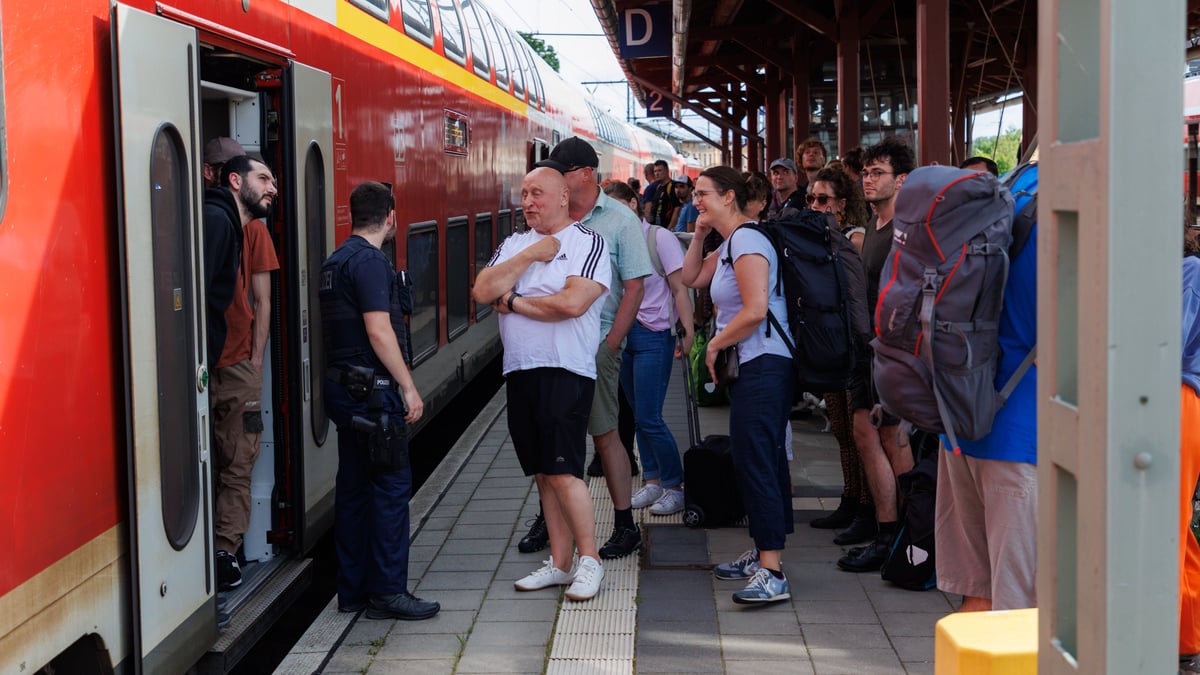
Numerous reports indicate that hundreds of vacationers waited at train stations, only to find trains already at full capacity. A troubling trend emerged last weekend when the police had to intervene and clear overstuffed trains, leaving travelers stranded without any immediate solution—a stark reminder of the logistical challenges during high-demand seasons.
One striking instance was highlighted by Nordkurier, which described scenes at a train station where frustrated vacationers found themselves unable to board their intended trains. This situation was not just isolated to a single location, but instead, a nationwide issue that stretched across various regions, notably affecting the Usedom area and Greifswald.
The Impact of Overcrowding on Train Services
The overcrowding on regional trains is not merely a comfort issue; it raises significant safety concerns as well. Authorities acknowledged that when a train exceeds its limit, the safety measures meant to protect passengers become ineffective. Passengers have reported cramped conditions, and those traveling with children or elderly family members faced particular hardships.
Similar sentiments were echoed by NDR, which detailed police actions at local train stations. The police were compelled to step in after overcrowded trains prompted safety fears. This unusual intervention underscored the level of discontent among travelers, who felt they had no choice but to wait for alternative travel arrangements—some people reported waiting for several hours, with no indication of when relief would come.
Responses from Train Companies
In light of these events, regional train companies have faced public scrutiny. Questions surrounding service reliability, scheduling, and overall passenger experience have been raised. Many passengers expressed their frustration with the lack of communication from train services regarding real-time updates about capacity and availability.
Train services that typically run on a defined schedule found themselves nearly overwhelmed as demand surged unexpectedly. In an attempt to remedy the situation, some companies began issuing apologies and committing to improve operational plans going forward. However, passengers remain skeptical, indicating that such assurances fall short without tangible actions to rectify past inconveniences.
Moreover, many travelers shared their experiences online, contributing to social media trends that showcased the chaos while also providing tips for future travelers. It appears that users advocate for early planning, highlighting the necessity of booking tickets in advance during peak periods.
Traffic Congestion Issues During Travel Periods
As a direct consequence of the train issues, significant spikes in road traffic have been reported. The highways leading to popular destinations have experienced long delays and traffic jams, leading to an exhausting travel experience for those deciding to drive instead of take the train. Reports from the Ostsee Zeitung confirmed that motorists were stuck in lengthy queues alongside highway A20 and other main routes leading to leisure hotspots.
This congestion amplifies the travel woes, as those looking to escape the city find themselves battling not just fellow travelers on the train but also on the roads. A perfect storm of demand and travel frustration has created a dreadful combination for families eager to enjoy their holiday.
Several authorities are now urging the public to remain patient and employ a mix of travel methods to avoid overburdening the train systems. This call to action aims to ease the pressure on public transport while ensuring that weekend getaways don’t turn ominous for families.
Travel Tips for Future Vacations
In the face of considerable travel disruption during peak seasons, passengers are advised to plan smartly. Here are some tips for effective travel:
Book Early: Ensure your train tickets are booked well in advance to secure your seats, particularly for weekends and holidays.
Check Real-Time Updates: Always check the train schedules and notifications for overbooking, delays, or cancellations.
Alternative Routes: Consider driving or exploring less popular travel times to avoid overwhelming regional services.
- Stay Informed: Engage with social media or apps that provide travel updates.
The recent chaos in train travel during peak seasons, driven by overcrowding and lack of communication from train services, has undeniably impacted travelers across Germany. As thousands have learned through their own awkward experiences, preparation and adaptability are now more crucial than ever while planning vacations during busy periods. By taking extra steps and remaining vigilant, travelers can better navigate these future challenges, ensuring that their holiday experiences are not marred by transportation difficulties.