
| IN BRIEF |
|
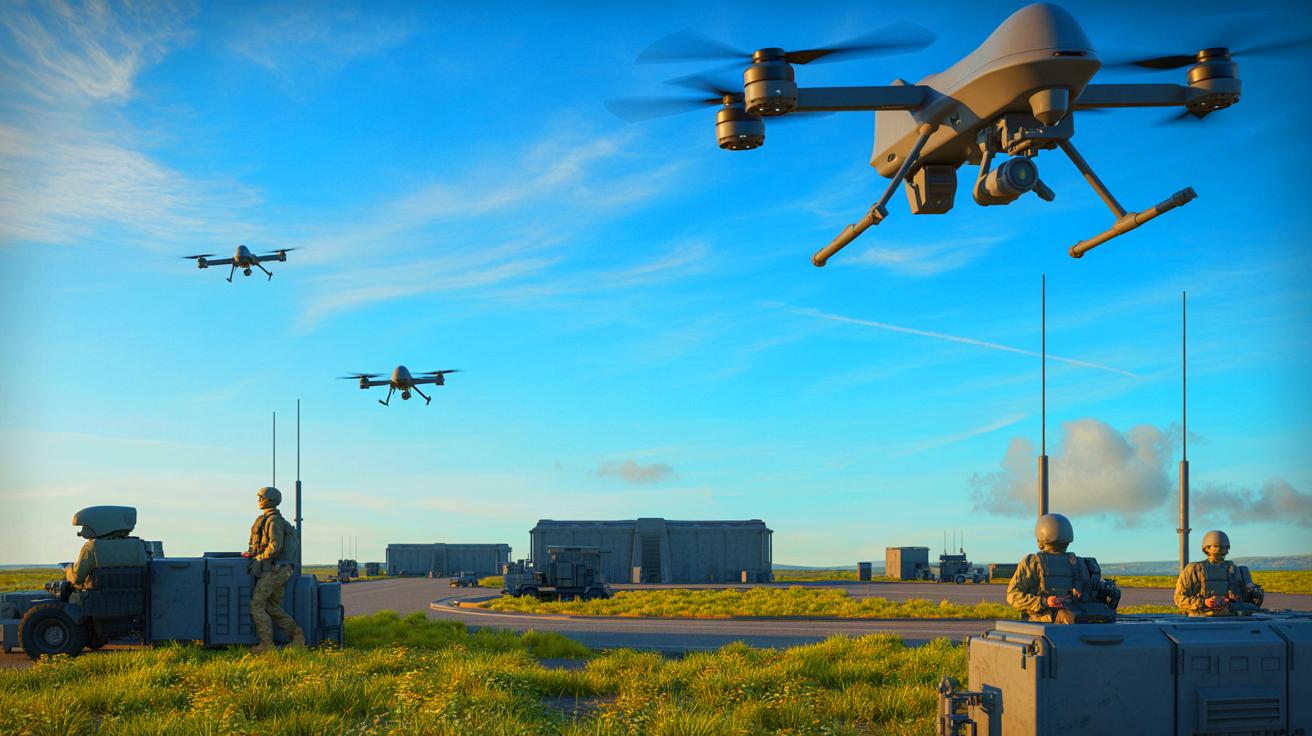
Drone incursions at U.S. military installations have emerged as a growing challenge for the Pentagon. These often-underestimated threats have taken on alarming proportions, necessitating immediate measures. Recent statements by General Gregory Guillot, commander of NORAD and Northcom, highlighted the importance of these incidents and the vulnerabilities within the current system. With over 350 drone detections reported last year, the need for a fortified technological and regulatory response has become evident.
The Challenges posed by Unmanned Aerial Systems
Unmanned Aerial Systems (UAS) present a rising threat to the security of U.S. military installations. General Guillot emphasized that the main concern lies in the detection and monitoring of sensitive capabilities by these drones. *With 350 incursions recorded over 100 military installations of various security levels*, reinforcing protective measures is crucial. The complexity of the current regulations limits possible countermeasures, creating vulnerabilities exploited by various actors. Some bases lack the necessary authority to use weapons in defense against these intrusions, complicating matters further.
The U.S. Kamikaze Drones Elicit Criticism: Technological Marvel or Uncontrollable Drift
Proposals for Enhanced Authority and Coverage
General Guillot has proposed expanding the authority of Section 130i of the U.S. Code to encompass all military installations, not just those deemed “covered.” *This change would enable proactive responses to threats before they reach the installations.* Currently, commanders can only act when drones are actually flying over their bases, which is insufficient against systems capable of remote surveillance. The proposal also suggests extending the authority’s reach beyond the installation perimeters to better anticipate threats.
Legislative Efforts and Inter-Agency Cooperation
Senators Tom Cotton and Kirsten Gillibrand are working on legislation aimed at enhancing the authority of base commanders to protect their installations more effectively. This proposed law, expected later this year, includes accountability measures to ensure commanders utilize these new capabilities. Additionally, the expansion of authority should enable seamless data exchange regarding drone activity with other agencies, such as the Department of Homeland Security. This inter-agency cooperation is crucial for a coordinated and effective response to these emerging threats.
Tech Creators Unveil the Secret to Skyrocketing Success on YouTube and TikTok
Technological Initiatives to Counter Drones
To bolster defense against drones, NORAD and Northcom have established a dedicated anti-drone operations unit. *In November 2024, the Pentagon designated Northcom as the coordinator for activities against small UAS within the continental United States and Alaska.* This initiative requires investment in scalable and robust mitigation technologies suitable for domestic use. Technological demonstrations, such as the Falcon Peak event in Colorado, aim to test and improve these technologies. During these trials, realistic scenarios gathered valuable data for the future of anti-drone operations.
The issue of military installation security against drones persists, demanding a concerted and proactive response. With rising threats and the sophistication of UAS systems, how can the United States adapt its strategy to maintain national security while respecting equity and privacy concerns?
Through the use of artificial intelligence, the author has enriched this article.
Did you enjoy it? 4.5/5 (23)