
Modifying your income tax return after submission is essential if you notice any errors in your draft. With the Income 2025 campaign underway, which pertains to the fiscal year declaration for 2026, it’s critical to ensure that your declaration is accurate to avoid potential fines. Here’s how to seamlessly make changes to your tax return.
Understanding the Modification Process
The window for making revisions lasts until June 30, but it’s crucial to remember that changes can only be made if the Treasury has not completed either a definitive or provisional liquidation. Essentially, once your return is processed and payments finalized, you cannot make any alterations. Therefore, timely actions are paramount.
Steps to Modify Your Income Tax Return
Accessing the Tax Agency Website
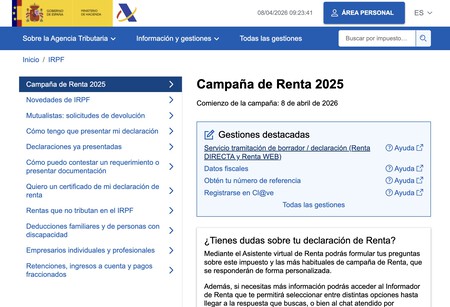
Begin your modification journey by visiting the Tax Agency website. Navigate to the section labeled Draft/declaration processing service (Direct Income and WEB Income). This option should be clearly visible among the Featured Managements on the homepage.
Identifying Yourself
Once you’re on the relevant page, you’ll need to identify yourself as a citizen. This step grants the Treasury access to your personal draft. You can authenticate your identity via several methods, including:
- Your digital certificate (such as the FNMT certificate or DNIe)
- Your PIN Code or Mobile Code
- Your reference number
Finding the Modification Option
After identifying yourself, you’ll be directed to a page containing topics related to Income Services 2025. Here, look for the option labeled Modify declaration. This will only show up if you have submitted your initial draft.
Making the Changes
On the modification screen, you’ll find a list of your previously filed returns. Select the return you wish to edit by pressing the button labeled Modify filed return. Make the necessary adjustments carefully to ensure accuracy before finalizing your updates.
Why Modifications Matter
Correcting any mistakes in your income tax return is not just about avoiding fines; it also ensures that your tax liability is calculated correctly, potentially leading to a refund or reduced liability. Always double-check your data to minimize any chance of incurring penalties.
Conclusion
Making modifications to your income tax return promptly is crucial for compliance and financial accuracy. If you spot an error after submission, follow the outlined steps to correct it before the processing occurs. Staying proactive can save you from unnecessary stress and financial penalties.