
Spain’s Dramatic Weather Changes in April
This April has seen some of the most drastic temperature swings in recent years across Spain, particularly during the second week. The key factor? Spring.
Record-Breaking Temperatures
Take Santander, for instance. On April 6, the temperature soared to 32.8 degrees Celsius, marking the highest April temperature recorded since data collection began in 1954. Other locations, including Asturias airport and Castro Urdiales, also reported similarly high temperatures. However, this remarkable warmth was just the precursor to more atypical weather.
From Summer to Winter in Just Days
According to AEMET (the Spanish Meteorological Agency), the situation is set to shift dramatically. What began as temperatures akin to June will plummet to February-like conditions in just a couple of days. Some cities could see temperature declines of up to 15 degrees Celsius between Friday and Sunday, demonstrating the rapid thermal drop that is taking the country by surprise.
Some weather models even predict the possibility of snow at elevations as low as 700 meters in northern Spain, a scenario few would associate with the early springtime.
Visualizing the Changes
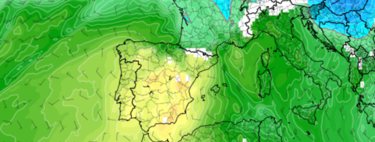
The best way to digest these fluctuations may be through visual representation. Recent images showcase the temperature shifts occurring throughout the second week of April.
The Cause Behind the Chaos
What has triggered this erratic weather pattern? The culprit is an isolated cold front (BFA) that has entrenched itself in the southwest of the Iberian Peninsula. This low-pressure system separated from the main atmospheric circulation, differentiating itself from other storm types known as DANAs. This system is responsible for enhanced wind patterns and persistent rainfall, contributing to a swift drop in temperatures.
Why This Matters
According to AEMET spokesperson Rubén del Campo, while sudden temperature changes are typical for spring, such extreme fluctuations are unusual. The broader trend indicates that recent springs have become hotter and more unstable overall, leading to more frequent extreme temperature events and significant monthly thermal variability.
As this weather episode unfolds, we are left to ponder not only the immediate effects but also the long-term implications that these patterns have on climate trends in Spain.