
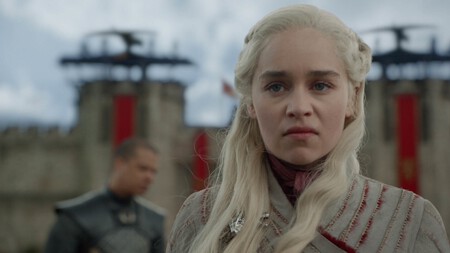
“This is no longer my story” is a phrase that resonates deeply in the writing community, particularly when uttered by an author of George R.R. Martin’s caliber. As the creative mind behind the ‘Game of Thrones’ universe, Martin has found himself navigating the tumultuous waters of adaptation, ultimately losing some control over his narrative. This situation raises a critical question: should authors maintain creative oversight when their work is transformed for the screen? It’s apparent that the successful authors of today, such as Brandon Sanderson and Sarah J. Maas, wish to sidestep the pitfalls Martin encountered.
The Decline of Martin’s Creative Control
During the initial seasons of ‘Game of Thrones’, Martin enjoyed a vital role as an executive producer and writer, guiding the adaptation closely. However, by season five, his influence significantly waned. With the show’s creators, David Benioff and D.B. Weiss, at the helm, Martin found himself distanced from the project he helped birth. The arduous task of concluding an unfinished narrative proved challenging, leading to his declaration that the series finale would diverge from his own planned resolution. This moment must have been disheartening for a creator watching his universe morph beyond his control.
It came out so-so.
Despite his disillusionment, Martin returned as a co-creator for ‘House of the Dragon.’ Yet, reports of creative tensions with showrunner Ryan Condal have surfaced, suggesting Martin’s difficulties navigating adaptation continue. Indeed, HBO reportedly asked him to step back during production to quell mounting disagreements about the direction of the series.
Learning from Martin: The New Generation of Authors
Drawing from Martin’s bittersweet experience, contemporary authors are stepping into adaptation negotiations with keen awareness. The murky waters of creative control often become convoluted when rights are sold. Their lessons come from not just Martin but the broader landscape of adaptations. Take J.R.R. Tolkien’s legacy, for example, which faces continual challenges owing to legal entanglements and fragmented rights management.
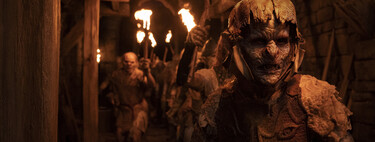
The rights to ‘The Lord of the Rings’ are a labyrinth.
It’s a cautionary tale for modern creators like Sanderson and Maas, who emphasize maintaining control over their intellectual property. Sanderson’s upcoming adaptation for Apple TV showcases his commitment to being deeply involved in the process. His decision to negotiate terms that ensure creative authority directly contrasts with Martin’s earlier experience. Sanderson has stated, “It became clear that the process and communication had broken down,” illustrating how not having a say can damage a creator’s vision.
Maas’s Approach to Adaptations
Similarly, Maas has publicly asserted her expectations for any future adaptations of her work. After regaining the rights to her stories, she expressed a desire for complete involvement, stating, “I want to know everything about how it is done.” This proactive position illustrates her refusal to compromise on her creative vision.
Conclusion: The Importance of Creative Control
The evolution of adaptation strategies reflects a growing understanding among authors regarding the importance of maintaining creative oversight. As Martin’s story illustrates, losing control can lead to discontent and disconnection from one’s own work. Modern writers like Sanderson and Maas exemplify a new generation determined to ensure their stories remain true to their original essence when adapted. This strategy not only preserves their artistic integrity but also safeguards their relationship with fans, ensuring that their narratives are portrayed as envisioned, not as mere products of others’ interpretations.