
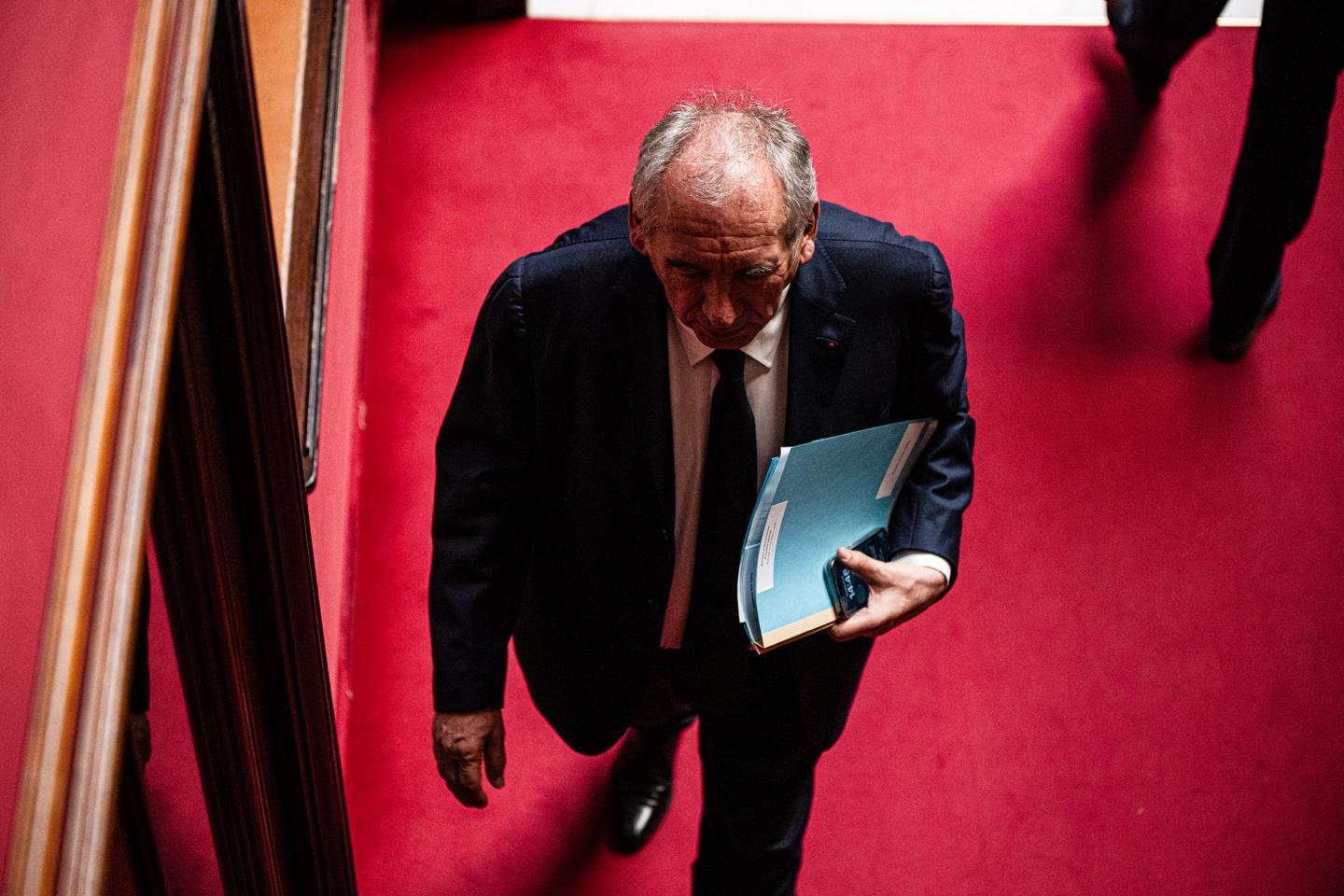

French Finance: A Close Call
In recent developments regarding France’s financial landscape, Prime Minister François Bayrou was given a much-needed breather . As he seeks €40 billion to finalize the upcoming budget, he was gratified on Friday, May 30 , to learn that American firm Standard & Poor’s (S&P) has decided to maintain the AA− rating for French debt. This rating, equivalent to a 16.5 out of 20 , spares the nation from an embarrassing downgrade and allows it to retain its “double A” status among the top three credit rating agencies, including Moody’s and Fitch .
The Significance of Maintaining the Rating
The retention of the French “double A” rating wasn’t a certainty. In fact, S&P was the first agency to downgrade France from its peak rating of triple A back in 2012 . Their recent decision to maintain the AA- rating came after they signaled a negative outlook in late February, which introduced concerns about potential further downgrades if France’s financial situation did not improve significantly.
Risks Associated with Downgrades
A downgrade to a “simple A” status by S&P would have profound implications for the French economy. Many investment funds are governed by rules that restrict or outright prohibit holding state bonds that are not rated as “double A.” Such a downgrade could have prompted investors to pull back from purchasing French debt, further exacerbating the cash-raising challenges facing the French government. This scenario would have likely led to increased interest rates for borrowing, making it even more difficult for the government to stabilize its finances.
This situation heightened tensions as, following S&P’s negative outlook feedback in February, there has yet to be a notable recovery in the French fiscal landscape. With ever-increasing financial pressures, PM Bayrou faces the seemingly insurmountable Himalayan challenge of balancing the national budget while appeasing both financial observers and a demanding public.
Public Sentiment and Political Implications
Public sentiment surrounding budget management is a hot topic in France. Concerns regarding public spending and debt levels run deep among citizens. The government’s strategies to navigate these issues have faced scrutiny, with critics often vocalizing the need for transparency and efficiency in fiscal policy. These demands grow louder with each passing day as citizens feel the immediate impacts of governmental decisions on their daily lives.
The Path Forward for France’s Economy
Looking ahead, the French government must find strategies that not only maintain economic stability but also promote sustainable growth. This will require innovative approaches to revenue generation and stringent measures to control expenditures. Engaging with financial institutions and garnering support from key stakeholders will be essential in restoring confidence and ensuring that France remains competitive on a global scale.
In conclusion, while the maintenance of the AA− rating by S&P provides a temporary shield for France, it also serves as a reminder of the mounting financial pressures that the country faces. Moving forward, the French government must take decisive action to improve its fiscal standing, not only for the sake of investor confidence but to ensure that the well-being of its citizens is prioritized and protected.