
LAURIE DIEFFEMBACQ via Getty Images
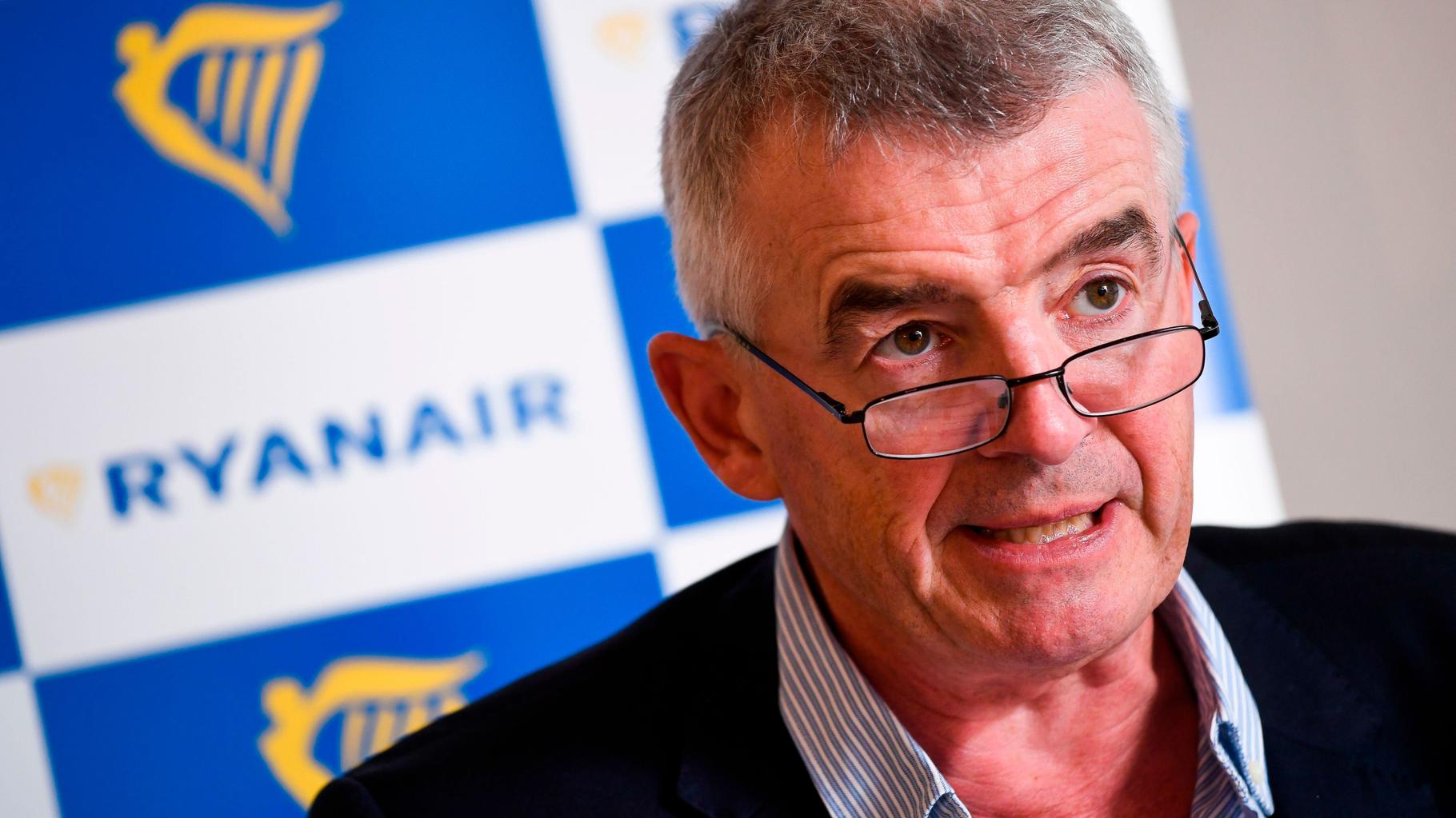
Le patron de Ryanair Michael O’Leary (ici en octobre 2018) pourrait toucher l’un des plus gros bonus jamais versés en Europe
In an era where executive compensation packages receive significant scrutiny, Michael O’Leary , the CEO of Ryanair , is poised to potentially net an extraordinary €100 million bonus. This substantial sum is tied to a performance promise made by the Ryanair board in both 2019 and 2022 , contingent on the airline’s share price exceeding €21 for 28 consecutive days . The latest reports from Bloomberg highlight that achieving these financial metrics could position O’Leary among the highest-paid executives in Europe in recent years.
But the question remains: how did such a massive payout come to fruition? O’Leary’s success in fulfilling these conditions is attributed to a favorable economic climate, including a decline in oil prices, influenced by various geopolitical events. The promise entails the opportunity to buy shares of the company at a discounted rate with no additional fees, a move that many industry insiders are scrutinizing.
During a recent conference call, O’Leary defended his potential payday by arguing that top-level athletes and executives in high-profile sectors, such as Premier League football , command annual salaries ranging between €20 million and €25 million . He emphasized his commitment to remaining with Ryanair until the contract’s conclusion in 2028 , enabling him to potentially unlock these lucrative stock options. O’Leary aims to sustain the positive momentum of the airline, ensuring continued success before realizing his financial windfall.
Over 30 Years at the Helm of Ryanair
With more than 30 years at Ryanair’s helm, O’Leary’s tenure is notable for its longevity in an industry often characterized by turnover. Under his leadership, Ryanair has transformed from a regional airline into a dominant force in the European low-cost flight market. This transition has not come without its challenges, as the airline is known for its supplementary fees ranging from seat selection to baggage transport.
However, the announcement of a €100 million bonus has not gone unnoticed. It has drawn reactions from industry analysts and economic consultancy groups, including the High Pay Center , a think tank dedicated to examining executive compensation. The Center pointedly expressed skepticism about the justification for such a massive payout, asserting that while O’Leary may have played a central role in the company’s success, no single individual is deserving of a bonus that dwarfs the earnings of many employees who contribute significantly to the company’s operations.
Critics, including the High Pay Center, have rightly noted that while O’Leary’s leadership is undoubtedly a factor in Ryanair’s growth, most employees in the organization—those who work diligently behind the scenes—earn significantly less throughout their careers and will likely never approach the financial rewards that O’Leary stands to gain.
Such discussions are not merely academic; they resonate within broader conversations about fairness and equity in workplace compensation. The disparity between executive gains and the wages of average employees poses questions about values and priorities within major corporations. As Ryanair continues its trajectory in the competitive airline industry, the eyes of investors, analysts, and the public will remain closely fixed on both O’Leary’s performance and the compensation structure at play.
In conclusion, the prospect of a €100 million bonus for Michael O’Leary not only underscores his role in Ryanair’s evolving narrative but also exemplifies the ongoing debates surrounding executive compensation in today’s corporate climate. Whether one views such perks as justified rewards for success or as excessive handouts, the conversation is as important as ever as companies navigate their futures in an increasingly scrutinized economic landscape.