
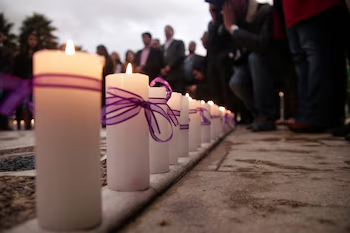
The Heartbreaking Case of Yuliana Samboní: A Father’s Fight for Justice
A Grievous Crime
On December 4, 2016, the life of Yuliana Samboní was tragically cut short in Bogotá, Colombia. While playing outside her home in the Bosque Calderón neighborhood, she was kidnapped by Rafael Uribe Noguera, who subsequently sexually assaulted and murdered her in his apartment. This heinous act shook the nation, drawing significant public attention to issues surrounding femicide and the justice system in Colombia.
The Aftermath of Loss
Yuliana’s family, originally from Cauca, had moved to Bogotá seeking a better life. However, just a month after Yuliana’s murder, they returned to Cauca, burdened not only with grief but also with ongoing debts and emotional trauma. Juvencio Samboní, Yuliana’s father, has openly expressed his anger and disappointment over the lack of financial compensation from Rafael Uribe Noguera’s family, asserting that they have never reached out to him in the aftermath of the tragedy.
Compensation Controversy
Despite Uribe Noguera’s conviction, which included a sentence of over 58 years in prison, the family of Yuliana has not received the compensation established by the court. Juvencio Samboní highlighted the heart-wrenching reality that the funds—reportedly exceeding $1 million—were diverted to the state instead of the victims’ family. This revelation underscores a critical failure in the justice system to support not only the surviving family members but also victims of violent crimes.
Economic and Emotional Burden
The Samboní family’s struggles extend far beyond financial issues; they are also grappling with lasting psychological trauma. Fear lingers in their lives, especially for Nicol, Yuliana’s youngest sister, who is hesitant to leave home. Juvencio shared, “You are left with that psychosis… when things do happen to you, distrust reigns.” This continuous state of anxiety reflects the profound impact of losing a child to violence.
The Ongoing Struggle for Justice
Currently, Juvencio Samboní works as a day laborer, cultivating quinoa on a small piece of land to provide for his family, which includes his wife, Nelly Muñoz, and two other children. Their current economic situation hampers their ability to seek legal assistance, limiting their options for pursuit of civil compensation. The absence of effective legal guidance leaves them vulnerable and without recourse to address their suffering.
Future Sentencing and Concerns
Rafael Uribe Noguera is currently serving his sentence in La Tramacúa prison. Despite the clarity of the punishment, Juvencio remains wary. He has voiced fears that Uribe Noguera could receive early release due to favorable working conditions inside the prison, which could lead to a reduction in his sentence. The father’s wish for everlasting justice for Yuliana serves as a reminder of the struggle many families face in similarly tragic circumstances.
Conclusion
The tragic story of Yuliana Samboní is not just a tale of loss but also highlights systemic issues within the legal framework regarding the treatment of victims and their families. The fight for justice is ongoing, and Juvencio Samboní’s determination to seek reparation reflects the indomitable spirit of those left behind after such violence. As society confronts the epidemic of femicide, the voices of victims’ families must be amplified to ensure justice is served and that no family endures what the Samboní family has faced.