
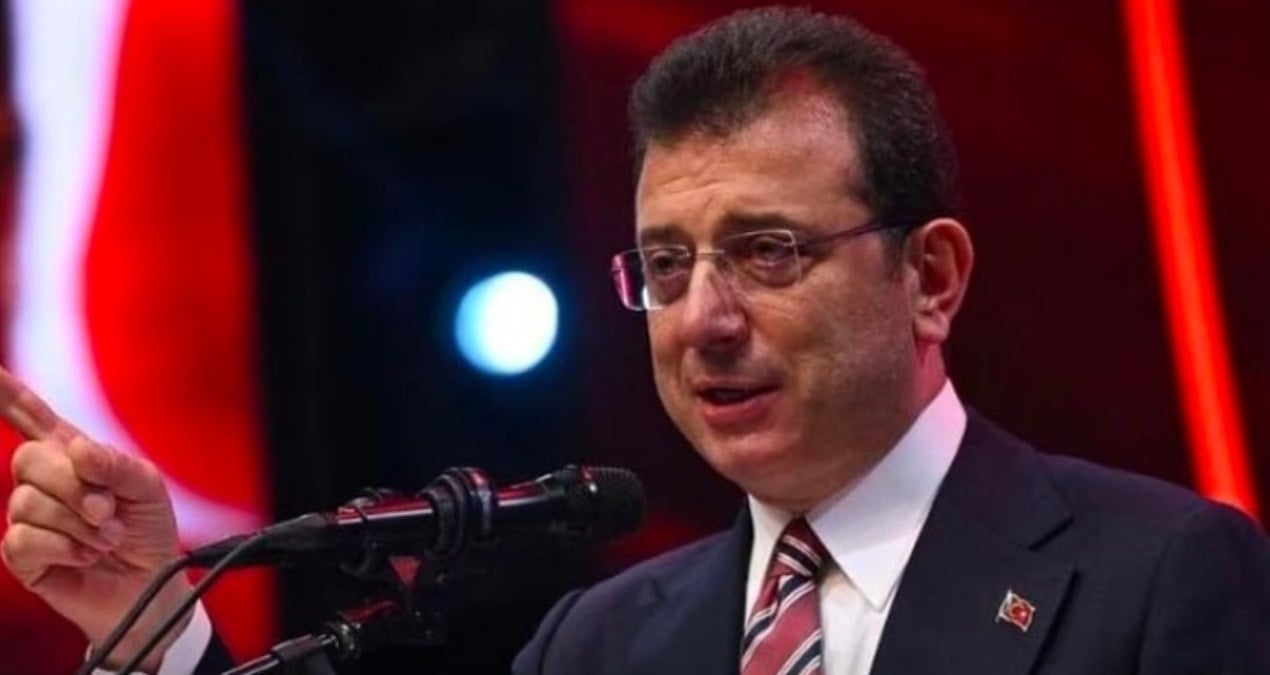
The Impactful Message from İmamoğlu: A Call for Change
In a bold statement, İmamoğlu has captured the attention of the nation with his assertive promise that the current government will face its reckoning in the upcoming elections. His emphatic declaration, “In the first election, this government will go home, and ‘insulting the president’ will no longer be a crime,” has resonated fiercely with the public, igniting discussions about freedom of expression and the future of Turkey’s political landscape.
His message addresses the core issue of accountability in politics. İmamoğlu emphasizes that being in power inherently means being subject to criticism . He assures citizens that under his leadership, the era of unjust arrests for expressing dissent will come to an end. He remarks, “We will put an end to this absurdity when we come to power. No one will be unfairly detained, arrested, or imprisoned simply for exercising their democratic right to protest.”
These remarks underscore the sentiment that the government should serve its citizens, not suppress them. İmamoğlu’s words facilitated an open dialogue about the importance of democracy , highlighting that true leadership should encourage open discourse rather than foster an environment of fear and repression.
Freedom of Expression: A Pillar of Democracy
The right to express one’s opinion is a fundamental aspect of a thriving democracy. İmamoğlu’s statements challenge the status quo, aiming to dismantle the cult of personality that often surrounds political figures. His promise signals a shift toward a more inclusive governance style that welcomes diverse opinions, especially from the youth . He urges, “Do not be afraid of the young; fear the sycophants around you.”
This call to reject sycophancy will likely resonate with many who feel that their voices have been stifled by those in power. İmamoğlu envisions a future where leaders are approachable and open to constructive criticism , enriching the democratic process.
Mobilizing the Youth: A Promise for the Future
Younger generations play a vital role in shaping political discourse. İmamoğlu’s focus on empowering youth reflects his understanding of their potential as change-makers in society. By engaging the younger electorate, he hopes to harness their energy and ideas to drive Turkey toward a better future.
His outreach to the youth is not only strategic but also essential for revitalizing a sense of hope and commitment among citizens. The youth are often the most affected by governmental policies, making their involvement crucial in enacting change. By prioritizing their voices, İmamoğlu is fostering a participatory political climate that encourages innovation and social progress.
A Vision for the Future: Ending Oppression
His message extends beyond mere promises; it encapsulates a vision for a future free from oppression and fear. İmamoğlu promises to create a political environment where citizens can engage freely without constraints. This aligns with the broader movement toward protecting individual liberties and honoring the democratic process.
Such pledges signify a critical turning point for Turkey as it seeks to heal and rebuild its political fabric. Bringing about the end of arbitrary detentions and the stigma surrounding dissent is pivotal for restoring public trust in government institutions.
Conclusion
İmamoğlu’s impassioned speech has sparked conversations about the future of Turkey, framing the upcoming elections as a crucial turning point in the country’s democratic journey. His emphasis on accountability, freedom of expression, and youth engagement presents a hopeful vision for many citizens yearning for change. As the political landscape continues to evolve, the message is clear: dialogue, empowerment, and inclusion are key to revitalizing Turkey’s democracy. The call for a new era is not just a political campaign; it represents a united aspiration for a society where every voice matters, and oppression gives way to liberation.