
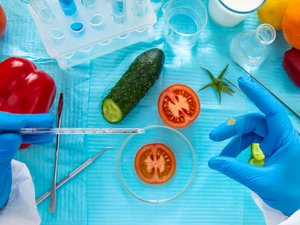
### Emergence of New Genomic Techniques (NGT)
The European Parliament is on the brink of authorizing plants derived from new genomic techniques (NGT) aimed at enhancing agricultural sustainability. This pivotal decision highlights a shift in the perception of genetically modified organisms (GMOs) in Europe, particularly as discussions intensify around addressing environmental challenges such as drought and pests. On June 17, 2026, a crucial vote will determine how these groundbreaking techniques will be integrated into European agriculture.
### What Are New Genomic Techniques?
NGTs represent a new era in agricultural biotechnology. These advanced methods allow for precise modifications to a plant’s genome without the introduction of foreign DNA, differentiating them from traditional GMOs. This distinction is significant: the resulting plants are considered genetically modified yet are not classified as “transgenic,” which has historically faced stringent regulations and public scrutiny.
### Supports and Opponents: Divergent Perspectives
#### Support from Agricultural Unions
Major agricultural unions, like Copa-Cogeca, advocate for the adoption of NGTs, asserting that they could help farmers combat pressing issues like water scarcity and rising pest populations. The unions claim that these technologies will spur innovation and allow European farmers to compete more effectively on a global scale.
#### Opposition from Small Farmers
Conversely, smaller agricultural entities and organic farmers raise significant concerns about potential risks associated with these technologies. Organizations like the Confédération Paysanne argue that the law could deepen inequality in the farming sector, enabling large corporations to dominate the market through expensive patents and limiting access for small-scale producers.
### Regulatory Framework: Case-by-Case Approach
A compromise reached among Member States aims to simplify regulations surrounding certain NGTs, specifically those categorized as equivalent to conventional varieties. Notably, NGTs that confer herbicide resistance or generate insecticides remain prohibited to uphold principles of sustainability. The European Food Safety Authority (EFSA) supports this regulatory adjustment, though caution remains among health agencies, advocating for detailed assessments of health and environmental impacts on a case-by-case basis before market introduction.
### The Future of NGTs in Europe
Historically, genomic editing techniques were categorized alongside GMOs, leading to broad cultivation bans within Europe. As new varieties undergo testing and development, a timeline of several years is anticipated before NGT-derived foods reach the consumer market. Environmental organizations express alarm at the lack of labeling requirements for these products, underscoring the importance of transparency in consumer choices—while the presence of NGTs will be noted on seed bags, final products could lack similar labeling.
### Conclusion: A Crossroads for European Agriculture
With the European Parliament leaning towards the acceptance of NGTs, the agricultural landscape is poised for transformation. However, this potential progress invites debate about balancing innovation with ethical considerations, market equity, and environmental stewardship. As stakeholders—from large unions to small farms—voice their opinions, the upcoming vote will play a critical role in shaping the future of agriculture in Europe.