
The Grit Of Isaac Del Toro
In the world of professional cycling, Isaac del Toro is currently setting the pace at the Giro d’Italia. Far from faltering, the leader of the Giro appears to grow stronger with each stage. Despite facing arduous challenges—like a grueling time trial in torrential rain and an intensely difficult mountain day—Del Toro shows no signs of relinquishing his grip on victory. This places immense pressure on Juan Ayuso, his teammate and presumed leader, as he attempts to conquer the coveted ‘maglia rosa.’
Anticipation of High Altitude Challenges
The most demanding segments of this Giro are yet to come. The race organizers prefer to save the toughest challenges for the final week, which will intensify starting this Sunday. Del Toro, however, is actively engaged in the competition, skillfully positioning himself within the peloton and seizing any opportunity to collect bonuses. Slowly but steadily, he accrues vital seconds over both Ayuso and his other competitors.
Strategic Sprinting
Recently, on a Thursday flight of the race, Del Toro optimally capitalized on a bonus sprint to earn two additional seconds. Moreover, on Wednesday, he finished in second place, earning a premium of six seconds, trailing only Richard Carapaz, the Ecuadorian Olympic champion. With such strategic moves, Del Toro continues to tighten his lead.
The Gap Narrows
Currently, Ayuso finds himself 33 seconds behind the leader. He has adopted a more conservative approach, aiming to conserve energy rather than recklessly chase down seconds. This strategic mindset acknowledges the toll of maintaining aggression over a three-week race. Yet, as the competition intensifies, it becomes crucial to establish dominance, demonstrating strength to deter others. Del Toro’s performance exemplifies this tenacity.
The Turn of Events
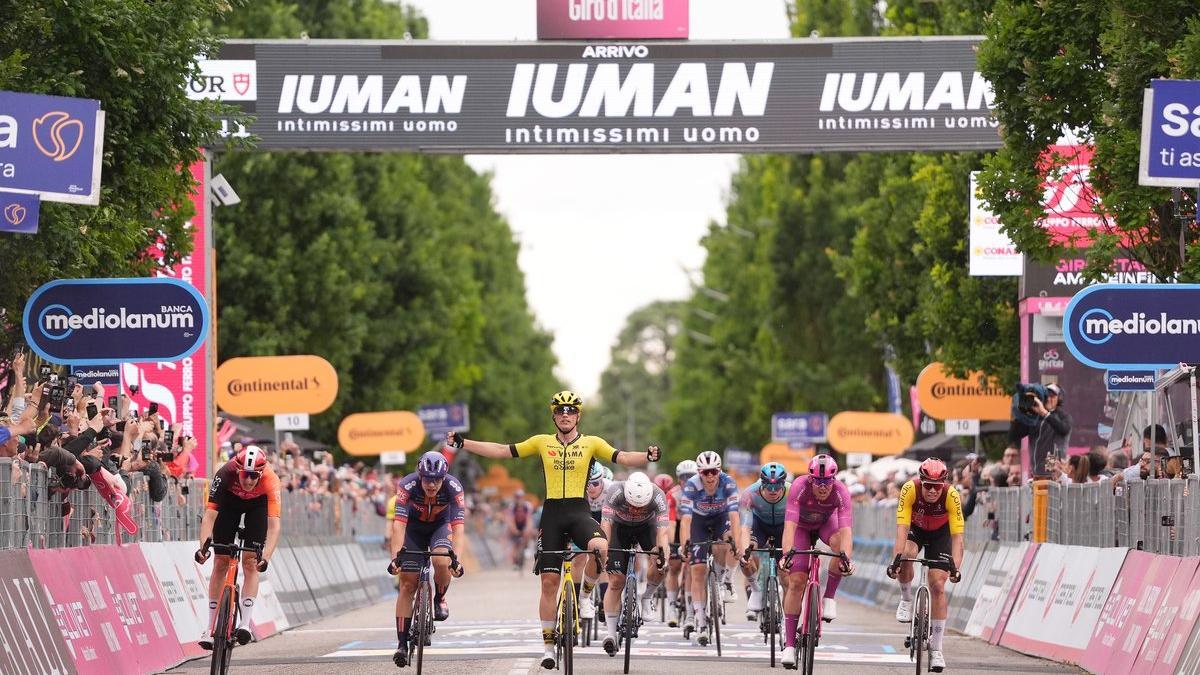
During stage 12, the understanding among cyclists was that the stage would conclude in a sprint. The typical early escapades took place, but with no significant threat—three Italian riders Andrea Pietrobon, Giosue Epis, and Manuele Tarozzi—managed only a temporary lead. Their maximum advantage never exceeded three minutes, and the peloton gave them just enough of a margin to remain relevant until 50 kilometers before the finish.
Despite this brief respite, it soon became clear it was a race against time, with cyclists transitioning toward a sprint finish. Ultimately, Olav Kooij from the Netherlands, propelled by his adept teammate Wout van Aert, clinched the victory, but the stage was also a strong testament to Del Toro’s endurance and capability in the face of high competition.
Tactical Edge of Roglic
Adding to the suspense, Primoz Roglic shows a different, more low-key strategy. Like Ayuso, Roglic maintains a position of minimal visibility as he rides, opting for a tactical approach that can sometimes yield substantial benefits in crucial stages.
The Turning Tide
As we now approach the 13th stage, which is anticipated to be simpler yet offers a demanding finish, the question looms: who will secure an advantage? Will Del Toro seize another opportunity to gain ground, or will other contenders emerge?
Opportunity Awaits
The beauty of enthusiastic sports lies in the unexpected twists and dynamic strategies. The upcoming stages will demand both physical strength and tactical wisdom from the riders. For Del Toro, the pressure swells as he seeks to maintain his lead, while Ayuso must calculate his moves judiciously in hopes of making a strike for the top position.
Conclusion
The Giro d’Italia remains a riveting chapter in professional cycling, where endurance, strategy, and sheer grit can redefine a rider’s journey. As Isaac del Toro continues to showcase his brilliance and Juan Ayuso carefully plots his ascent, the drama unfolds. Each pedal stroke brings them closer to glory, reinforcing that in this high-stakes game of strategy, anything is possible. All eyes will be watching the next stages, where every second counts and determination reigns supreme.