
The Rise of Football Investments by Players
In recent years, high-profile footballers have increasingly turned to investing in football clubs rather than traditional ventures like restaurants. This trend is exemplified by stars such as Sergio Ramos, Cristiano Ronaldo, and Thibaut Courtois. These athletes are leveraging their insider knowledge of the sport to make lucrative investments in football clubs, creating a new landscape for post-career opportunities.
Sergio Ramos: From Player to Investor
Sergio Ramos, a prominent figure in Spanish football, recently returned to Sevilla FC as an investor. He collaborated with the investment fund Five Eleven, contributing to a noteworthy deal valued at 450 million euros. This investment comes at a time when Sevilla FC faces substantial financial challenges, including a debt of 90 million euros. Ramos’s involvement aligns with his deep emotional connection to the club and demonstrates how current players can impact their former teams beyond their playing days.
The Influence of Other Stars
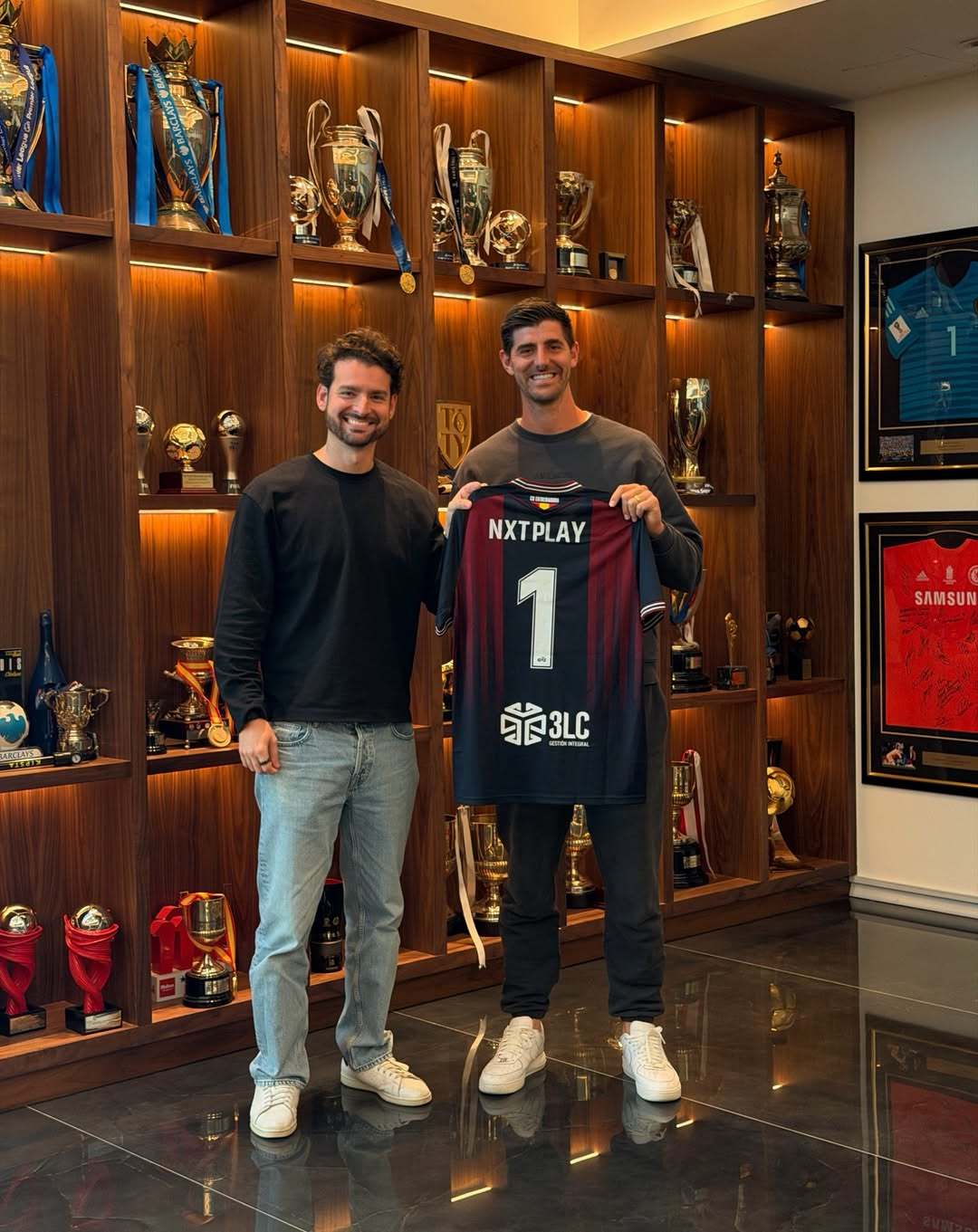
Other notable players have followed suit. Thibaut Courtois made headlines when he acquired a stake in CD Extremadura, highlighting this shift towards football club ownership. According to Carlos Cantó, CEO of SPSG Consulting, players prefer these ventures because they are more familiar with the football industry than with dining or other business sectors.
David Beckham: A Trailblazer in Football Investment
David Beckham is often considered a pioneer in this realm. After his playing career, he co-founded Inter Miami, a franchise that has skyrocketed in value, especially after the signing of Lionel Messi in 2023. Beckham’s strategic foresight in entering the sports business illustrates how retired players can transition successfully into business ventures related to their expertise.
Lionel Messi’s Footsteps
Following Beckham’s success, Lionel Messi recently took ownership of Unió Esportiva Cornellà, a lower-tier Spanish club. Messi’s investment aims to foster local talent and generate additional income, emphasizing the dual role of a player-owner as both mentor and investor. The allure of his name is likely to draw young talent and sponsorship for the club.
Cristiano Ronaldo and Other Major Players
Cristiano Ronaldo has also ventured into club investments, acquiring a 25% stake in Unión Deportiva Almería earlier this year. This move further solidifies his commitment to football beyond the pitch, reminding fans of his longstanding ambition to contribute to the sport at a deeper level.
New Generation of Investors
Recent investments are not solely by retired legends. Kylian Mbappé, a superstar still in the midst of his career, recently acquired Stade Malherbe Caen in France’s second division. His bold move at age 25 challenges the conventional timing for such investments, showing that younger players are eager to impact the sport financially.
Why Football Clubs Over Restaurants?
The shift from restaurant investments to football clubs can be attributed to several factors:
- Familiarity: Players are more knowledgeable about football operations, players, and market dynamics than running a restaurant.
- Financial Potential: Football clubs can yield substantial returns if managed effectively, particularly with growing global interest in the sport.
- Legacy and Influence: Investing in clubs allows players to shape the future of the sport and create lasting legacies.
Conclusion
Football clubs have become the new ‘restaurants’ for players, providing lucrative avenues for investment while allowing them to remain connected to the sport they love. As more players enter the ownership arena, it promises to redefine the relationship between athletes, their clubs, and the broader football industry. This trend reflects a growing sophistication in how current and former players approach their post-career opportunities, ensuring they are not only prepared but also well-advised in this new phase of their professional lives.