
The Controversy Over Cap del Pinar: Nature vs. National Defense
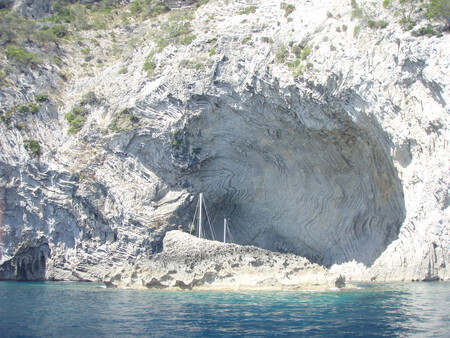
Cap del Pinar is a breathtaking part of the Mallorca landscape, featuring stunning cliffs, serene coves, and lush trees that offer unique views of the Mediterranean Sea. Despite its natural beauty and importance to local traditions, this small strip of land has become the focal point of a serious conflict between the Alcúdia City Council and the Ministry of Defense. The essence of the debate centers on how to reconcile its significance for local residents with its designation as an “Area of Interest for National Defense.”
The Origins of the Conflict
To truly understand the ongoing conflict, we must take a step back to the 1940s. During this time, the Army initiated a process to forcibly expropriate lands at Cap del Pinar and its surrounding areas. Originally, the plan aimed to establish military installations and services at various strategic locations across the island, including Cap del Pinar and Cap Gros. The Alcúdia City Council accepted this expropriation in 1947, with the crucial caveat that the land would be granted temporally, retaining certain rights for the local populace.
However, decades later, the military presence has not only shaped the landscape but also determined its usage. By the 21st century, the Alcúdia City Council and the Government reached an agreement that allowed local residents to access Cap del Pinar during the summer months—albeit with strict limitations, including a maximum daily quota of only 50 visitors.
Current Developments
Fast forward to today, and the tensions have intensified as the Ministry of Defense seeks to solidify its control over this picturesque area. Recently, the ministry informed the City Council of its intention to declare a nearby military installation as an “Area of Interest for National Defense,” effectively expanding military operations to cover 145 hectares. This proposition has elicited strong reactions from the Balearic Council, prompting swift actions to safeguard the community’s interests.
In a plenary meeting, the Alcúdia City Council submitted a comprehensive list of grievances against this proposed expansion. They argue that such a move could undermine local powers regarding urban planning and the preservation of cultural heritage. As the mayor, Fina Batlessa, emphasized, “We don’t want to have to ask for permits to climb”—a poignant reminder of the stakes involved for local residents who have long cherished this natural haven.
Why Does This Matter?
The Cap del Pinar peninsula is not merely a stretch of land; it embodies tradition and local heritage. Popular excursions are frequently organized here, and the area is well-known for its picturesque coves and hiking trails. The primary concern for the Alcúdia City Council is the potential loss of access for residents if military operations expand. Their aim is clear: to ensure that the rights of locals are maintained and that the area remains a space for enjoyment and recreation.
In presenting their allegations, the City Council highlighted their commitment to preserving public access for hiking and nature activities. They aim to protect not only the environment but also the popular cultural festivals celebrated in Victòria. “It should not entail unjustified limitations on the rights of citizens and municipal autonomy. Alcúdia must preserve its environment and traditions,” summarizes a local stakeholder in Mallorca Diary.
Defense’s Stance
As the debate escalated, the Ministry of Defense responded to the controversy by asserting that the proposed expansion would not affect the public’s enjoyment of the area. They clarified that they did not intend to acquire an additional 145 hectares; rather, this figure represents the entire area they would manage after the declaration, which already includes land controlled since the 1940s. Specifically, the focus lies on a 400-meter stretch of land adjacent to the road, while a portion of the environment would still remain under public management.
Furthermore, officials from the Ministry assured locals that both hikers and hunters would continue to have access to the area “without problem.” However, assurances from government entities have not quelled concerns among residents and local politicians, and the discussions have migrated into the broader political arena, prompting inquiries in Congress from groups like Sumar Més.
As the situation develops, the future of Cap del Pinar remains uncertain, caught between military interests and the desires of a community that treasures its natural landscapes and cultural heritage. The ongoing dialogue emphasizes the need for balance—how do we protect national interests while safeguarding the rights of local citizens and the environment they hold dear? The answer may determine not just the fate of Cap del Pinar but also serve as a crucial case study for similar conflicts elsewhere.