

The Shifting Power Dynamics in the Arctic
In January , the focus on the Arctic intensified as the United States began exploring alternative strategies following the complications surrounding “the Greenland thing.” That exploration brought attention to a remarkable discovery: an underwater cave in Norway . Just two months later, the presence of eight icebreakers highlighted Russia’s active engagement in the region, while in August, the unexpected arrival of five Chinese icebreakers marked a new dynamic, catching both nations off-guard.
At this point, an additional factor emerged: a squadron of F-35s from another emergent player entered the Arctic scene, further complicating an already volatile strategic landscape.
New Strategic Axis
The Arctic has transformed from a remote, scientific territory into a central theater of power . Here, geography dictates military strategy, while meteorological conditions establish limits on human activity. Close proximity between military platforms has made each kilometer a potential corridor for attack or surveillance. What was once theoretical has now crystallized into state policy, necessitating a reevaluation of military presence.
The Nunalik deck stands as a testament to the harsh conditions of the North: crucial deliveries supporting Canada’s northernmost intelligence network had to circumvent dangerous growlers and storms. This scenario emphasizes a critical reality: establishing a foothold in the Arctic requires extensive infrastructure , specialized logistics, and ongoing financial commitment. Simple logistical delays, such as dockworkers ceasing operations for a weekend, can halt essential projects entirely, exemplifying the Arctic’s challenges .
Logistics and Fragility
Setting up bases like Pituffik’s or Alert (only 800 km from the North Pole) poses logistical challenges due to narrow seasonal windows. Sealifts (sea supply operations) can only occur for four to five months each year, making air transport a perilous yet necessary alternative. Any logistical oversight, such as failing to deliver a critical component, may derail operations for an entire year. The needs of Inuit communities, along with satellite platforms and underwater cables, weave a complex network where a single weak link threatens the entire system.
Wildlife, including musk ox and polar bears, roam these difficult terrains, but behind their existence are human lives equally dependent on timely supplies . Historical calamities, like the tragic 1991 plane crash en route to Alert, underline that logistical issues within this unforgiving environment are inherently tied to survival.
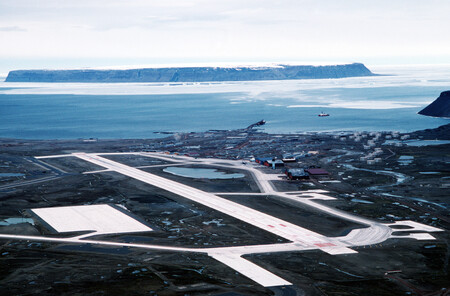
View of Thule Air Base
Russian Advantages and Western Challenges
Geographically, Russia commands significant advantages, particularly around the Kola Peninsula , which houses the Northern Fleet and nuclear systems deployable through Arctic routes. Western military capabilities have steadily eroded over decades, but the war in Ukraine offers an opportunity to reverse this trend. The pressing question remains whether Western allies can rebuild their capabilities in the Arctic quickly enough.
Unlike operations in Afghanistan or the Sahel , where tactics were tested, Arctic operations will demand tailored approaches suited to low visibility, icy conditions, and unpredictable weather. Closing existing gaps in capabilities necessitates urgent technological advancements alongside a political will to invest in regional defense.
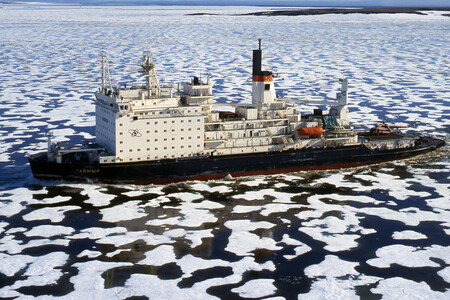
Russian icebreaker
Advanced Military Technologies
The fight for presence also hinges on the capacity to detect and anticipate military actions. The introduction of hypersonic missiles disrupts traditional radar networks and challenges countries like Canada to invest in advanced detection systems . To this end, Ottawa has allocated significant funding towards establishing far-horizon radars, as Washington intensifies development on space-based sensors . Early detection is vital for effective deterrence, yet the polar climate adds layers of complexity, making logistics integration and consistent maintenance demands high.
Denmark Takes Action
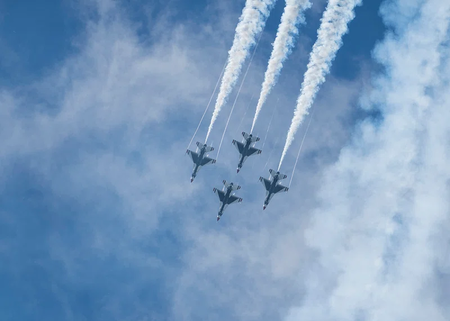
As nations like China, Russia, and the United States stake their claims in the Arctic, Denmark’s recent commitment of $8.7 billion to expand its fleet of F-35s reflects a bolstered focus on Arctic security. This includes the establishment of a joint headquarters in Nuuk , alongside the purchase of new ships, surveillance aircraft, and polar units. Denmark intends to combine American technologies with a newfound role as a regional guarantor in response to external pressures and internal motivations, particularly following reactions to Trump’s Greenland proposal .
Denmark’s initiative illustrates two significant points: first, Europe is ready to invest heavily in advanced security technologies; second, territorial control over the Arctic has become a diplomatic leverage in international politics.
Local Concerns and Future Challenges
The extension of Denmark’s military presence is not without local criticism. Voices like that of Aleqa Hammond , former Prime Minister of Greenland, have raised concerns regarding the lack of consultation with the island’s 57,000 residents. As militarization directly impacts local lifestyles, the need for ecological sensitivity and acknowledgment of Indigenous rights has never been more urgent. Moving forward, decisions regarding military infrastructure must prioritize social and environmental considerations to avoid exacerbating internal tensions.
Sustainable Existence and Strategic Investment
Building a persistent Arctic presence encompasses more than just purchasing warplanes and installing radar systems. As highlighted by the BBC , essential infrastructure includes shipyards for constructing icebreakers, maintenance facilities, and political will to sustain continuous investment. Coordination efforts through NORAD , especially between Canada, the United States, the United Kingdom, and Nordic countries, aim to alleviate tactical gaps. This collaboration also emphasizes the balance of human training , logistical efficiencies, and a tailored cold-weather doctrine , ultimately generating employment within the Arctic defense industry.

The narrative surrounding the Arctic is one of patience, forward-thinking, and comprehensive planning. The West may be awakening to the geopolitical significance of the Arctic, perhaps belatedly, but it is not devoid of resources . Armed with evolving technology, strong alliances, and strategic political capital, rapidly advancing projects can become a possibility. Ultimately, defense in the Arctic requires not only military readiness but a holistic approach that weaves in community engagement, environmental stewardship, and logistical awareness.