
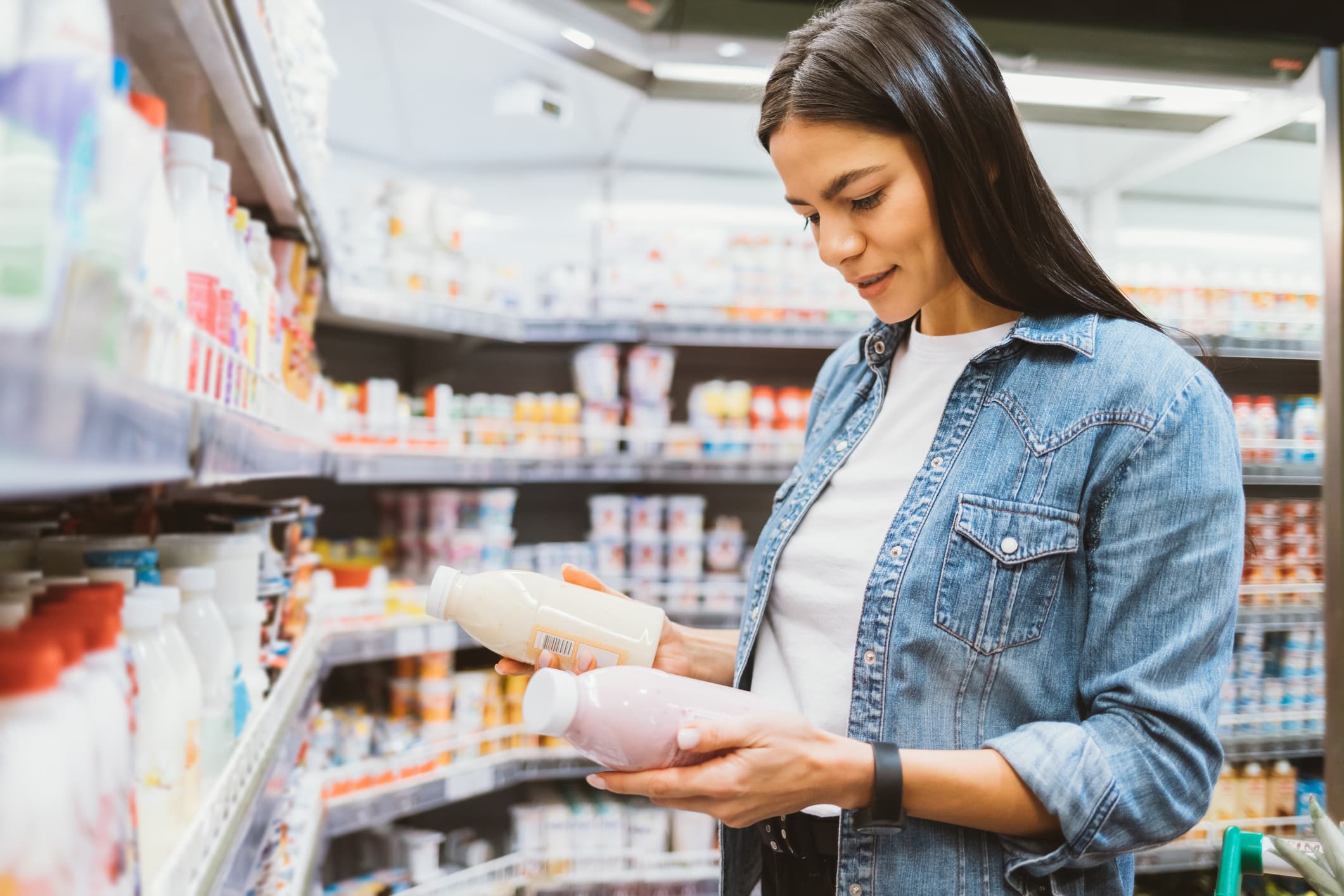
Rising Prices: The Hidden Costs Behind the Shift to Sustainable Products
In a persistent inflationary environment, major retailers are attempting to modernize their image, particularly with regard to their most accessible products. To this end, they are launching new lines that appear more responsible , more local , or more “ green .” The marketing is polished, the slogans reassuring, and consumers often feel like they’re making a contribution to the planet. However, in reality, the prices are also evolving—upwards.
This trend is well-documented today. Several analyses, including those conducted by consumer associations and observers of the retail sector, demonstrate that rebranded products positioned under the “better consumption” banner are often sold at prices 10 to 30% higher than their previous equivalents.
A Concrete Example: Everyday Products
The following table compares old “budget” products with their reconditioned counterparts under sustainable lines. It clearly illustrates the hidden price increase sometimes disguised behind the apparent improvement of the product:
| Old Products (Budget) | Price Before (€) | Equivalent ‘Better Consumption’ Product | Price After (€) |
|---|---|---|---|
| Pasta 500g | 0.55 | Sustainable Pasta (Reduced Packaging) | 0.72 |
| UHT Milk 1L | 0.89 | Local “Ethical” Milk | 1.05 |
| Flour T45 1kg | 0.65 | Local or Partially Organic Flour | 0.85 |
| Plain Yogurts x4 | 1.05 | Additive-Free Yogurts (Carton Pot) | 1.29 |
| Strawberry Jam 370g | 1.20 | Reduced Sugar Jam (France Origin) | 1.58 |
In this example, a basket of five basic products can cost nearly €2 more solely due to marketing repositioning.
The Green Label: An Eco-Friendly Package with Questionable Content?
Retailers defend themselves against any accusations of manipulation, asserting that the price increases are justified by more sustainable practices, better quality, lighter packaging, or even more local production. However, this explanation does not always hold up, especially when the ingredients or recipes remain unchanged, and only the visual appeal or terminology has changed.
This phenomenon, which some openly label “ price greenwashing ,” increasingly impacts modest families and retirees, for whom the checkout process becomes a daily puzzle. Many do not immediately notice these increases due to a lack of detailed receipts or clear points of comparison.
How to Avoid Falling into the Trap?
It is possible to spot these hidden price hikes, provided you pay attention to certain elements. Here are some practical tips to apply while shopping:
- Always compare the price per kilogram or liter, which is more reliable than the unit price.
- Be wary of vague mentions: terms like “better for the planet,” “committed,” or “more responsible” are not legally regulated.
- Monitor the evolution of products you regularly purchase: a name, brand, or packaging change may herald a price increase.
- Keep a few old receipts or expense reports to detect differences.
What Seems More Ethical Isn’t Always More Affordable
While the move toward more sustainable consumption is crucial, it should not serve as a pretext for raising prices on essential items. This is particularly important when these increases affect vulnerable populations who already face a dilemma between buying food and paying their bills. Retailers must take some responsibility for this price shift, and consumers have every reason to stay vigilant and maintain a critical eye on what they purchase, even when it appears to be “better.”