
Recent Diplomatic Developments between Turkey and Syria
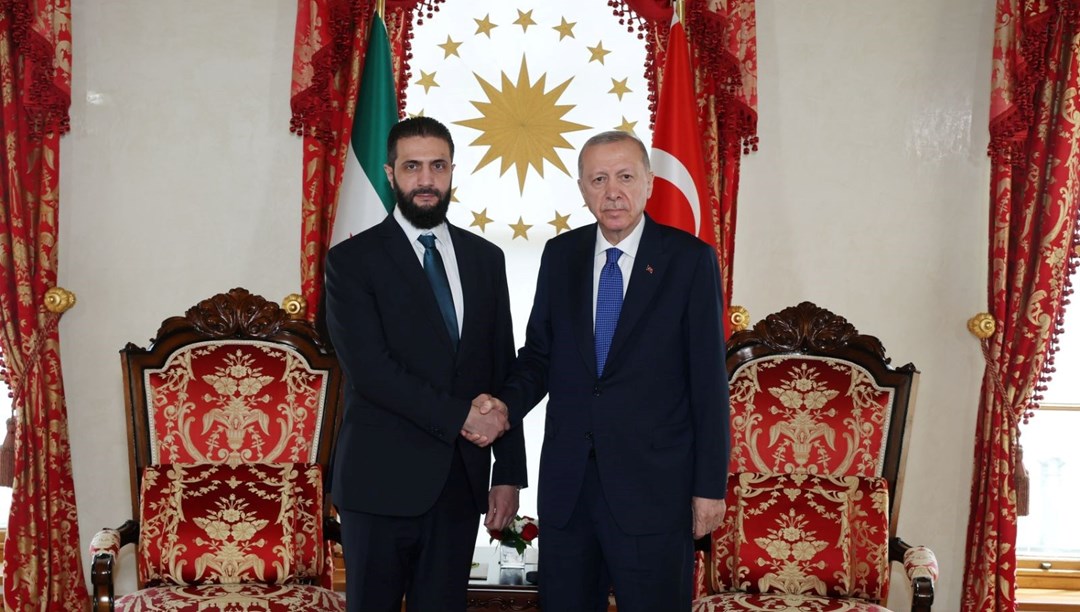
In a significant diplomatic meeting held at the Dolmabahçe Working Office in Istanbul, Syrian President Ahmed Shara met with Turkish President Recep Tayyip Erdoğan. This meeting, which commenced at 14:00, marks a crucial step in bilateral relations, particularly in addressing regional security concerns.
The agenda for the meeting is robust and multi-faceted, focusing primarily on Turkey-Syria relations, the ongoing fight against terrorism, and the presence of the PKK/YPG terrorist groups in Syria. These issues are increasingly pertinent given the complex geopolitical climate in the Middle East.
Key Discussion Points
One of the most pressing topics on the agenda is the fight against terrorism. Both Turkey and Syria have faced significant threats from extremist elements within their borders. The PKK/YPG has been a recurring issue, often straining relations between the two nations. The collaboration between Turkey and Syria in addressing this threat can pave the way for a more stable regional environment.
In addition, the discussions are expected to cover Israel’s increasing attacks on Syrian territory. These assaults not only destabilize Syria but also contribute to wider tensions in the region, affecting Turkey’s security concerns as well. The two leaders will likely explore potential strategies to counter these aggressive actions.
Another crucial point for discussion is the sanctions imposed by the United States on Syria. The prospect of lifting these sanctions could have significant implications for Syria’s economy and its ability to recover from years of conflict. Both nations may find common ground in advocating for a change in US policy, which could help foster stability in the region.
The Importance of High-Level Participation
The meeting is attended by several high-profile officials, demonstrating the importance of this diplomatic engagement. Present at the Dolmabahçe meeting are:
- Foreign Minister Hakan Fidan
- National Defense Minister Yaşar Güler
- MIT President İbrahim Kalın
- Defense Industry President Haluk Görgün
- Syrian Foreign Minister Esad Hasan Şeybani
- Various other officials
The inclusion of these key figures underscores the seriousness of the discussions. Each participant brings their expertise and perspectives, which can enhance the potential for productive dialogue.
Turkish-Syrian Relations: A Historical Context
The relationship between Turkey and Syria has been tumultuous over the years, shaped by historical grievances and modern-day challenges. The outbreak of the Syrian Civil War further exacerbated tensions, leading to a refugee crisis and the rise of extremist groups. However, recent diplomatic overtures suggest a desire for a new chapter in their interactions.
Erdoğan and Shara have expressed a mutual interest in re-building trust and cooperation. Economic ties could be strengthened as both nations seek ways to recover from prolonged conflict. A key goal would be to navigate the complexities of regional politics while enhancing bilateral economic interests.
Security Cooperation: A Path Forward
The shared security concerns provide an opportunity for closer cooperation between Turkey and Syria. Initiatives could range from intelligence sharing to joint operations against terrorist organizations. A coordinated approach could increase effectiveness in combatting these threats, promoting a safer environment for both countries.
Moreover, addressing the refugee crisis that has resulted from the Syrian conflict remains a priority. Both nations could benefit from collaborative efforts to find sustainable solutions for the millions of displaced individuals.
The Broader Regional Implications
The outcomes of the meeting extend beyond just Turkey and Syria. The geopolitical dynamics of the Middle East are ever-changing, and increased cooperation between these two nations could influence relationships with other regional powers. Countries such as Iran and Russia, who have interests in Syria, will be closely watching these developments.
Furthermore, any progress towards stabilizing Syria could have ramifications for global political alliances. The international community is keenly aware of the implications of a stabilized or destabilized Syria, impacting everything from oil prices to migration patterns.
Public and International Reactions
As the meeting concludes, reactions from both the Turkish and Syrian populations may vary. While many may view improved relations positively, others might remain skeptical due to historical tensions. Monitoring public sentiment and international perspectives will be essential in the days following the meeting.
The reactions from world leaders, especially from the United States and European nations, will also be significant. Any shift in Turkey-Syria relations could influence ongoing diplomatic strategies in the region and beyond.
In conclusion, the recent meeting between President Erdoğan and President Shara signifies a critical moment for the Turkey-Syria relationship. By addressing essential issues such as terrorism, security, and economic recovery, both leaders have the opportunity to reshape not just their bilateral ties but also the regional landscape of the Middle East.