
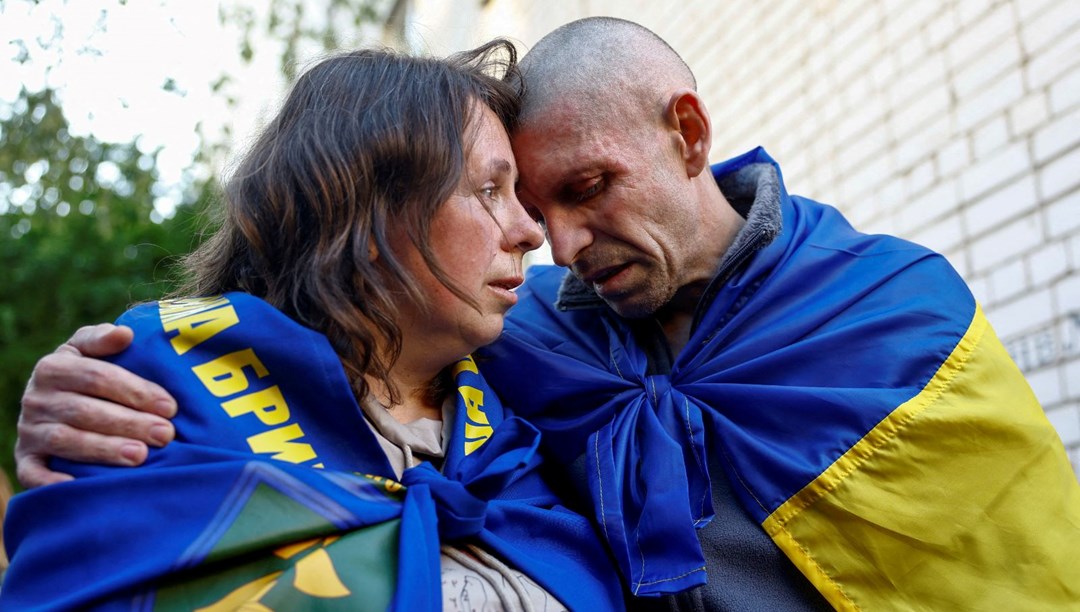
Recent Developments in the Russia-Ukraine Prisoner Exchange
The ongoing conflict between Russia and Ukraine has captured global attention, particularly with the recent developments surrounding the prisoner exchange agreement reached in Istanbul. This pivotal event has not only provided hope for families affected by the war but has also drawn various international reactions, highlighting the complexities of diplomatic negotiations amidst ongoing hostilities.
Details of the Prisoner Exchange Agreement
Last week, Russian officials announced that 307 prisoners were exchanged between the two countries, marking a significant milestone in ongoing negotiations. According to Russia’s Ministry of Defense, this latest exchange is part of a broader agreement to return Ukrainian and Russian prisoners back home. Ukrainian President Volodymyr Zelensky confirmed this information via his social media platforms, emphasizing the emotional and humanitarian aspects of these exchanges. Zelensky stated, "Today marks the second day of the agreement reached in Turkey, and already 697 individuals have returned home. We anticipate more exchanges to continue in the upcoming days."
The context of these exchanges is critical, as it underscores the fragile state of both countries that are embroiled in a conflict that has lasted for several years. Each successful exchange serves as a beacon of hope, not only for the prisoners and their families but also signals a potential for dialogue and resolution beyond the battlefield.
The Historical Context of the Conflict
To understand the significance of this agreement, it is essential to consider the historical context of the conflict between Russia and Ukraine. Since 2014, tensions have escalated, resulting in thousands of military and civilian casualties. Alongside this loss of life, families have been torn apart, and countless individuals have found themselves detained or imprisoned as a result of the fighting. The prisoner exchange initiative is often seen as a critical first step toward rebuilding trust and opening channels of communication between the two nations.
The previous exchanges throughout this conflict have often been rife with complications, involving intense negotiations that sometimes lasted months. While this recent high-profile exchange reflects a more organized effort to facilitate the return of prisoners, it remains to be seen how sustainable these efforts will be in the long run.
Global Reactions to the Exchange
The international community has reacted with cautious optimism to the recent developments in the prisoner exchange arrangement. The United States, for example, noted the importance of such agreements as a step toward reducing hostilities between the two nations. Former President Donald Trump commented on the situation by expressing hope for a broader resolution to the conflict. His remarks highlight the geopolitical significance of these exchanges and their potential to foster dialogue between Russia and Ukraine.
Other nations have also shared their perspectives, with many advocating for continued diplomatic measures to ensure that such exchanges become a standard practice, rather than an exception. Global humanitarian organizations argue that regular exchanges can significantly reduce the suffering experienced by families and victims of war.
The Humanitarian Aspect of the Exchange
At the core of the prisoner exchange initiative lies a deeply humanitarian perspective. Families affected by the war anxiously wait for news of their loved ones, who have become casualties of a bitter conflict. The emotional toll on both sides is immense; families are often torn apart by the realities of war, with loved ones imprisoned, missing, or injured. By facilitating exchanges, both countries have the opportunity to alleviate some of the pain and uncertainty that war has inflicted on innocent lives.
Human rights organizations have advocated for these exchanges as a fundamental aspect of any peace agreement. They emphasize that recognizing the basic humanity of individuals on both sides can sometimes pave the way for more substantial negotiations that address the root causes of the conflict.
Future Implications of the Exchange
The successful completion of this recent prisoner exchange could carry significant implications for the future of Russia-Ukraine relations. If both nations can establish a pattern of communication and exchanges rooted in mutual concern for human rights, it may ultimately facilitate broader discussions about ceasefires and more comprehensive peace agreements.
However, challenges remain. Political factions on both sides may resist any compromises that could be interpreted as weakness. Furthermore, external influences from other nations could complicate the dynamics of these exchanges, as geopolitical interests often intersect with humanitarian efforts.
Conclusion
The developments surrounding the Russia-Ukraine prisoner exchange are indicative of the complexities of international diplomacy amidst conflict. While the exchange brings hope and relief to many, the path forward is fraught with challenges that require ongoing dialogue, trust building, and a commitment to humanitarian principles. The world watches closely as these nations navigate the intricate landscape of war, peace, and reconciliation, hoping for a brighter future for all those affected.