
Atina Bar Association’s Response to the Gaza Crisis
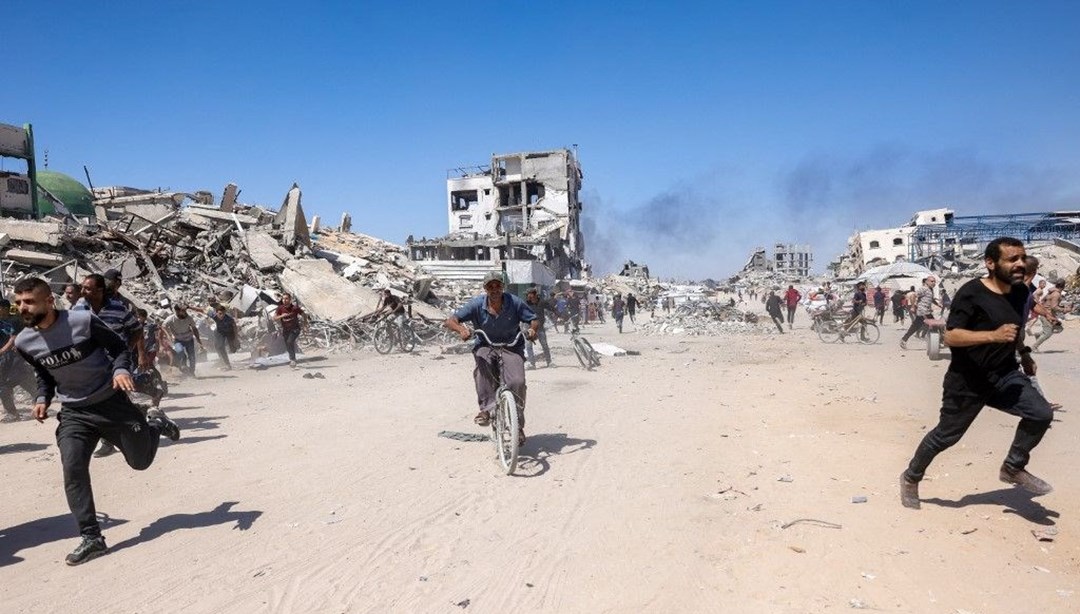
The Atina Bar Association has expressed its profound concern regarding the ongoing humanitarian situation in the Gaza Strip as a result of military actions by the Israeli forces. This reaction underscores the urgent need for attention to the plight of the native people who have been facing severe shortages of essential supplies.
The Humanitarian Crisis in Gaza
Recent reports indicate that the people of Gaza are suffering immensely due to restrictions imposed by Israeli military operations. Thousands of civilians, including vulnerable groups such as children and infants, are being denied access to basic necessities like food, baby formula, clean water, and medications. The tragedy has led to the loss of countless lives, prompting organizations and legal bodies worldwide to call for immediate action.
The Atina Bar Association has highlighted this dire situation in a written statement. They articulated that the ongoing blockade has left the Palestinian population unable to meet their fundamental needs. The Bar Association’s message resonates globally, emphasizing that the humanitarian crisis requires urgent intervention.
The Role of International Law
Another significant aspect mentioned by the Atina Bar Association is the necessity of adhering to international laws, particularly the Geneva Conventions. These agreements are fundamental to the protection of war victims and civilian populations during conflicts. The situation in Gaza raises serious questions about compliance with international humanitarian law, as the persistent blockade and military assaults infringe upon the rights and lives of innocent civilians.
The Bar Association pointed out that institutions such as the United Nations General Assembly and the International Criminal Court (ICC) are already aware of the allegations of war crimes being committed in Gaza. Their decisions serve to underline the severity of the situation and the urgent need for accountability and justice.
Call for Immediate Humanitarian Aid
In light of the ongoing strife, the Atina Bar Association has made a passionate appeal for immediate humanitarian assistance to be delivered to the people of Gaza. The call for access to aid is not just a matter of urgency; it is a reflection of the shared responsibility that the international community holds in safeguarding human life and dignity. The message is clear: humanitarian aid must be allowed to flow freely into the region and reach those most in need.
Moreover, the organization has advocated for a ceasefire to put an end to the violence that is exacerbating the humanitarian situation. A halt to hostilities would allow organizations on the ground to provide much-needed support and alleviate the suffering of the civilian population.
The Implications of Ignoring the Crisis
Ignoring the crisis in Gaza could lead to further escalation of the humanitarian situation, with potentially devastating effects on both the local population and regional stability. If the situation is allowed to deteriorate further, the already precarious living conditions will worsen, potentially leading to broader implications for peace and security in the Middle East.
As the world witnesses these events unfold, it becomes increasingly critical for governments, NGOs, and international bodies to take decisive action. Advocacy for the protection of civilian life should be a priority, supported by a commitment to uphold human rights and international law.
In summary, the situation in Gaza requires immediate attention and action from the global community. The statements from the Atina Bar Association are indicative of a growing tide of concern that spans continents and crosses political boundaries. As advocates for justice and human rights rally together, there is hope that meaningful actions will emerge to alleviate the suffering and restore a semblance of normalcy to the lives of the Gazan people.
The Importance of Global Solidarity
In times of crisis, the importance of global solidarity becomes even more evident. Countries, organizations, and individuals must work together to provide much-needed assistance and support. This cooperation can take various forms, including fundraising efforts, diplomatic pressure for policy change, and direct aid initiatives.
Public awareness and advocacy are crucial in pushing for governmental action and humanitarian efforts. The voices calling for justice and relief need to be amplified, ensuring that the plight of the people of Gaza is never marginalized or forgotten.
Collective efforts can lead to substantial change, transforming despair into hope. The fight for humanitarian rights does not merely lie within the borders of any one nation; it is a universal cause that transcends boundaries and ideologies.
Long-term Solutions and Peace Initiatives
While immediate humanitarian aid is essential, long-term solutions must also be pursued. Efforts to foster dialogue, reconciliation, and peace must take precedence over military strategies. The path toward a sustainable resolution will require addressing the root causes of the conflict and promoting dialogue that includes all affected parties.
Creating frameworks for peace involves not only the cessation of hostilities but also the promotion of social and economic development within conflict-ridden areas. Programs aimed at rebuilding infrastructure, providing educational opportunities, and fostering economic growth are vital for a hopeful future.
Through comprehensive strategies that encompass both immediate and long-term goals, the international community can pave the way for a more peaceful and just world. The current crisis in Gaza is a reminder of the importance of our shared humanity and the collective responsibility we hold for protecting it.