
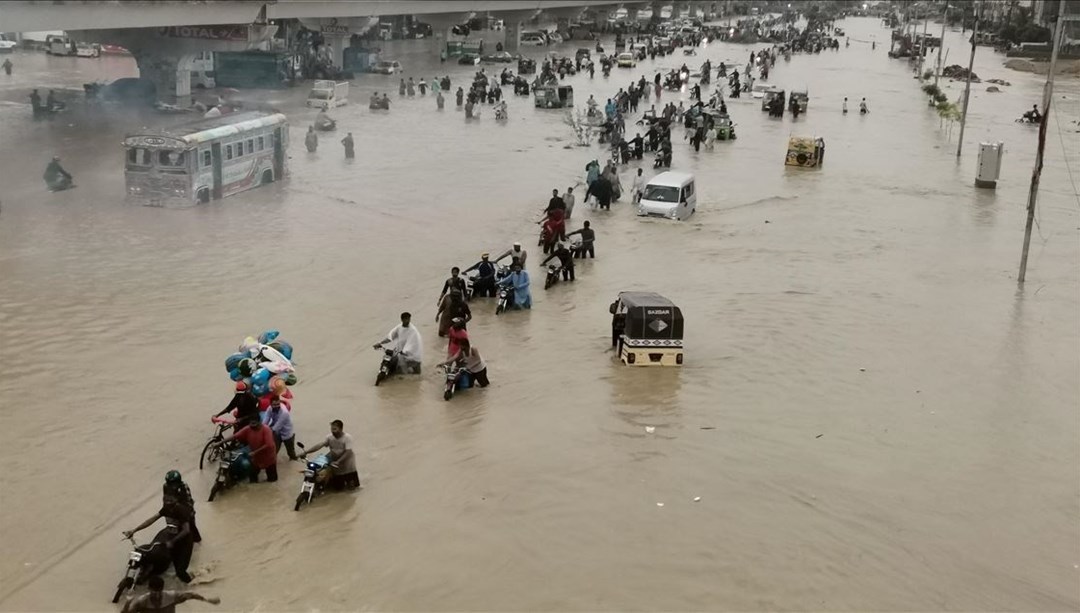
Severe Storm Disrupts Life in Pakistan
In recent days, Pakistan has faced severe storms that have brought daily life to a standstill in many cities. The most affected region has been Punjab, the country’s most populous province. Tragically, the storms have caused significant damage, including the collapse of old and poorly maintained buildings, leading to the loss of ten lives and leaving forty-five individuals injured.
Impact on Punjab Province
According to statements issued by the Punjab Disaster Management Authority (PDMA), the fatalities occurred in various cities within the province, specifically Jhelum, Lahore, Rawalpindi, Sheikhupura, Nankana Sahib, Sialkot, and Mianwali. In Lahore, the provincial capital, strong winds uprooted trees, causing significant damage to numerous homes, shops, and vehicles. The PDMA has announced that financial assistance will be provided to the families of the deceased, a decision aimed at alleviating some of the burdens faced by those affected.
Flight Disruption Due to Severe Weather
Not only have local residents faced difficulties, but air travel has also been severely impacted. A special airline flight, designated as FL-842, was scheduled to depart from Karachi to Lahore. However, upon nearing its destination, the aircraft encountered intense turbulence due to the storm, which forced it to abandon its landing attempt. In a moment of high tension, the passengers aboard experienced significant panic as the plane was redirected back to Karachi safely. The terrifying experience left many travelers shaken and concerned about their safety.
Emergency Response Measures
In light of the escalating situation, Punjab’s Chief Minister, Maryam Nawaz, has declared a state of emergency. She has issued immediate instructions to local authorities for a swift response to the affected areas. This urgent directive emphasizes the government’s commitment to addressing the challenges posed by the storm and ensuring the safety of its residents. Officials are expected to coordinate rescue efforts and provide timely assistance to those whose lives have been disrupted.
Local Communities Rallying Together
Amidst the chaos, local communities have been coming together to support one another. Neighbors have joined forces to help clear debris from streets and aid those who have lost their homes. Volunteer groups are stepping up, providing shelter and food to those most affected. The resilience and solidarity displayed by the people of Punjab during this challenging time serve as a reminder of the strength found in community.
Weather Forecast and Future Precautions
The weather forecast remains uncertain, with meteorologists predicting continued adverse conditions in the coming days. Residents are urged to stay indoors and avoid unnecessary travel. Local authorities are working tirelessly to monitor the situation and provide updates as new information becomes available. The PDMA has also emphasized the importance of emergency preparedness, encouraging families to have plans in place for future storm events.
Government Support and Resources
In response to the crisis, the government has set up several resources to assist those affected. Emergency centers are being established in various locations throughout Punjab, offering vital services such as medical treatment and psychological support. Additionally, relief funds are being mobilized to aid in the rebuilding of communities and infrastructure damaged by the storm.
Long-Term Implications of Natural Disasters
Natural disasters like the recent storm in Pakistan raise concerns about the long-term implications for affected areas. Climate change continues to exacerbate the frequency and intensity of weather events, creating a pressing need for robust disaster preparedness plans. Initiatives to improve infrastructure resilience, such as reinforcing buildings and enhancing drainage systems, should be a priority for local governments.
The Importance of Awareness and Education
Public awareness campaigns are crucial in educating communities about the risks associated with severe weather. As citizens become better informed, they can take proactive steps to ensure their safety and the safety of their households. Schools, local organizations, and community leaders play vital roles in promoting disaster readiness and response strategies.
Conclusion
The recent storms in Pakistan have highlighted the fragility of life in the face of natural disasters. The loss of life, injuries, and damage to property underscore the urgent need for effective emergency response and preparedness strategies. As communities band together to support one another, the resilience of the human spirit shines through. Moving forward, it is essential for governments, organizations, and individuals to prioritize disaster preparedness to mitigate the impact of future storms and protect lives.