
Tragedy Strikes in Quetta: Suicide Attack Claims Lives
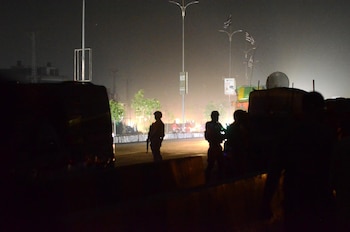
In a devastating turn of events, a suicide attack occurred during a gathering of the Baluchistan Nationalist Party near a stadium in Quetta, Pakistan , leaving at least five people dead and around 30 others injured. The incident marks another somber chapter in the ongoing struggle against terrorism in the region, as no group has yet claimed responsibility for the attack.
The Baluchistan Department of Health confirmed the tragic balance of victims, noting that those injured have been rushed to Quetta Civil Hospital for emergency treatment. Many were admitted for further care at the traumatology department, according to a report from the Pakistani newspaper, ‘Dawn’ .
Surprisingly, Sayid Tarín, the acting president of the political party involved, indicated that the death toll may be higher than reported, estimating that thirteen party members lost their lives and many others sustained serious injuries during the attack. This shocking incident took place in the parking lot after a rally commemorating the anniversary of the death of the party’s founder, Ataulá Mengal .
Before the attack, Tarín had shared an image on the social media platform X (formerly Twitter), showing a large crowd gathered for the event. Expressing his deep concern, he stated during a press conference from the hospital that they had indeed anticipated such a tragic incident, prompting him to contact local authorities to enhance security measures prior to the gathering.
The nature of the attack was described by a spokesperson from the Anti-Terrorist Office as apparently being a suicidal act . Evidence collection at the site has begun, as authorities strive to piece together the details of what led to this tragedy, reported by GEO TV .
On behalf of the government, a strong condemnation of the attack has been issued, with Interior Minister Mohsin Naqvi extending heartfelt condolences to the bereaved families. He asserted that the series of attacks on innocent civilians constitutes “a sinister plot by terrorists aimed at instilling fear and instability within society.”
The frequency of such attacks has risen sharply in recent months, particularly attributed to groups like the Tehrik-I-Talibán Pakistan (TTP) , commonly known as the Pakistani Taliban, as well as separatist Baluch groups such as the Baluch Liberation Army (BLA) . These groups seek greater autonomy or even independence for the province, exacerbating the security crisis in regions like Khyber Pakhtunkhwa and Baluchistan .
The local populace is left in shock and mourning after such violence marred their gathering. Quetta, located in the volatile region of Baluchistan, has long been a hotbed of ethnic tensions and violence, often targeted by both Taliban factions and separatists. This recent strike underscores the escalating insecurity that continues to grip the area.
As the situation develops, local authorities find themselves on high alert, trying to ensure the safety of citizens amid growing concerns of future attacks. The attack not only heightens fears of further violence among the local residents but also poses significant questions regarding the effectiveness of local law enforcement and security measures. With communities already living under the threat of extremism, the challenge remains daunting in fostering an atmosphere of peace and security .
Strengthened governmental resolve and community initiatives may be required to address the root causes of discontent and disenfranchisement that fuel such violence. A collective effort from both government and community leaders will be crucial for paving the way towards healing and security for the residents of Baluchistan.