
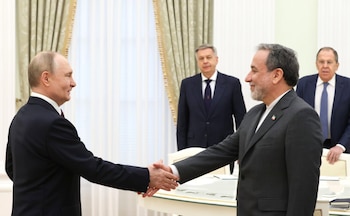
Iran’s Foreign Minister Abbas Araqchi stated that the Iranian government is actively collaborating with China and Russia to fend off potential sanctions from Germany , the United Kingdom , and France . These three nations, part of a coalition known as E3, have signaled their intention to reimpose sanctions on Iran unless negotiations regarding the nation’s controversial nuclear program resume by the end of August.
In an interview with state-owned media outlet Irib , Araqchi emphasized, “If this occurs, it will be negative… its most important consequence is the return of the embargo on arms. Furthermore, a return to Chapter 7 of the United Nations Charter that would label Iran as a ‘threat to international peace and security’ could result in dire legal and political repercussions.” He assured that Iran has “tools to respond” if these measures take effect.
The E3 countries sent a letter to UN Secretary-General António Guterres , expressing their willingness to reactivate the ‘snapback’ mechanism that would reinstate prior sanctions against Iran. The letter highlighted that Tehran currently possesses a total enriched uranium reserve of 8,400 kilos , exceeding the limit set by the 2015 nuclear agreement by more than 40 times . Included in this cache are over 400 kilos of uranium enriched to 60 percent , according to recent data from the International Atomic Energy Agency (IAEA) .
Discussions around Iran’s nuclear program have reached a stalemate, particularly following the military conflict instigated by Israel on June 13. Israel initiated a series of airstrikes targeting Iranian facilities, prompting a retaliatory response from Tehran that involved launching missiles and drones into Israeli territory.
In addition to Israel’s military actions, the United States has also conducted airstrikes against three of Iran’s nuclear sites — Fordo , Natanz , and Isfahan . In light of these escalating tensions, a ceasefire was established between the parties on June 24. Israel, however, has maintained that its attacks are aimed at countering an alleged Iranian nuclear weapons program. This military activity coincided with the scheduling of a critical meeting that was set to take place between Iran and the United States, which would have marked the sixth round of negotiations to formulate a new nuclear agreement.
In 2018, Donald Trump , then President of the United States, announced his unilateral withdrawal from the historic 2015 nuclear deal. This decision unraveled years of negotiations and comprehensive inspections aimed at curtailing Iran’s nuclear ambitions. The ramifications of this withdrawal have been felt globally, as countries grapple with the implications of a nuclear-capable Iran.
The ongoing conflict and diplomatic stalemate emphasize the need for innovative solutions to restore dialogue and confidence. As the specter of renewed sanctions looms, the international community watches with bated breath for potential escalations that could have far-reaching consequences for *regional stability * and *global security *.
The dynamics surrounding Iran’s nuclear program are not solely a matter of national interest for Western powers; they represent a complex interplay of international relations and strategic interests that could reshape political landscapes. The stakes are high, and the imperative to foster peace and security in this volatile region remains ever crucial.
The enduring challenges surrounding Iran’s nuclear aspirations highlight the complexities associated with engendering a multilateral consensus. Diplomatic channels must remain open as the pressure mounts, underscoring the significance of patience and dialogue in ultimately averting conflict.