
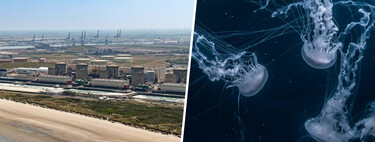
A Closer Look at the Ghost Jellyfish
Discovered in the deep abyss of the Argentine Sea, the Stygiomedusa gigantea, colloquially known as the “ghost jellyfish,” is a fascinating creature. This enormous jellyfish, measuring 11 meters when its fleshy arms are fully extended, has captured the attention of marine biologists around the world. Unlike most jellyfish, it lacks stinging tentacles, instead featuring soft, flowing arms reminiscent of theater curtains.
The Elusiveness of the Ghost Jellyfish
The term “ghost jellyfish” isn’t just a catchy name; it reflects the elusive nature of this species. Since it was first described in 1910, there have been only about 130 sightings globally. This rarity makes its recent discovery by a scientific expedition particularly significant. The expedition, named Lives in Extremes, provided a wealth of high-quality data and stunning visuals, further igniting excitement in the scientific community.
Breakthrough Discovery
The ghost jellyfish was captured by a remotely operated vehicle (ROV) named SuBastian, during a mission aboard the R/V Falkor research vessel. This ROV is equipped to explore abyssal depths, transmitting crystal-clear 4K video back to researchers. The findings not only reveal the size and unique features of the jellyfish but also underline the importance of utilizing technology to observe marine life without disruption.
Distinctive Features
The Stygiomedusa gigantea stands out for several reasons:
- Size: Measuring up to 11 meters, it is comparable to a school bus.
- Color: Its dark reddish-brown hue makes it nearly invisible in the depths, where red light is quickly absorbed by water. Consequently, the jellyfish appears black, providing it with a stealthy advantage when hunting.
Unlike more notorious jellyfish species, this giant jellyfish does not sting. Instead, it deploys four massive oral arms to trap prey, making it an effective hunter despite its delicate appearance.
Beyond the Jellyfish: Marine Biodiversity
While the ghost jellyfish has rightfully captured attention, the expedition unearthed even more notable findings. Researchers from CONICET and the University of Buenos Aires aimed not just to document pelagic fauna, but also to study underwater canyons like the Colorado-Rawson canyon.
The sonar and cameras from SuBastian led to the unexpected discovery of the largest known cold-water coral reef in the region, dominated by the species Bathelia candida. This coral ecosystem covers approximately 0.4 square kilometers and is crucial for maintaining biodiversity, serving as a habitat for various marine species, including commercially important fish.
The Role of Technology in Marine Research
The expedition covered over 3,000 kilometers from Buenos Aires to Tierra del Fuego. Using advanced robotics allowed scientists to observe species in their natural environments without causing harm, a key benefit that traditional methods could not offer.
Conclusion: Protecting Our Oceans
As we continue to explore the depths of our oceans, discoveries like the ghost jellyfish and extensive coral reefs enhance our understanding of marine biodiversity. This underscores a critical message: we know more about the surface of Mars than about our oceans’ profound depths. Protecting these environments is vital in a rapidly changing world, and discoveries like these are essential for informing conservation efforts.
Images and Video
For additional visuals on this exciting expedition, check out this video highlighting the stunning marine life captured during the journey.
References
For further information on this expedition and its discoveries, check out the following resources from the Schmidt Ocean Institute.