
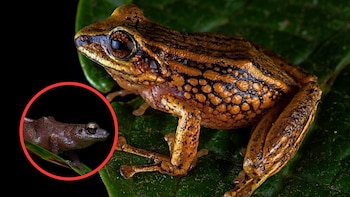
A team of biologists has registered three new frog species in the conservation zone Chicuate Chinguelas, a protected area located in the province of Huancabamba, Piura. This finding is the result of a five-year job led by herpetologist Germán Chávez together with a group of specialists who opted for the exploration of the remote moors of the region, despite the constant threats from human activities such as deforestation and agricultural burning.
The expedition covered land in the Private Conservation Area (ACP) Chicuate Chinguelas, a key point within the Andes of the North Conservation Corridor that connects with neighboring Ecuador’s forests. The area’s incredible biodiversity is exemplified by the discovery of these new species, highlighting the importance of continuing biological research in one of the most threatened ecological scenarios in the country.
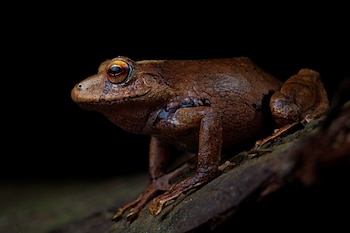
The three new species described by the research team have names that pay tribute to both geography and local culture. Pristimantis chinguelas, commonly known as “Chingula cuttin”, primarily inhabits the Chinguelas hill and is distinguished by the presence of tubers on the sides of its body. The naming of this species emphasizes the significance of this hill as a connector between various Andean ecosystems.
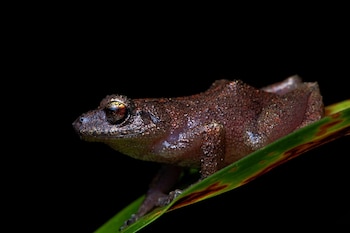
On the other hand, Pristimantis nunezcortezi, or “Elio Cutin”, is found in wooded streams and features dark coloration. This species is named after conservationist Elio Iván Núñez Cortez, who has dedicated over a decade to safeguarding the forests and moors of the Huancabamba mountain range.
The third species, Pristimantis yonque or “Cutin del Yonque”, is characterized by its flattened body and head. Its name refers to “Yonke”, a traditional cane drink consumed during rural celebrations and crossings in the Andean region, highlighting the connection between scientific research and local customs.
The ecosystem where these new species reside continually faces threats, especially from the expansion of agricultural burning and deforestation. While recent years have seen strengthened protection and regulatory actions, experts caution that the geological singularity of Huancabamba complicates the fragmentation of habitats and poses risks to biodiversity.
Wilmar Aznaran, one of the researchers, emphasizes the necessity of thoroughly exploring every corner of the area: “We cannot assume that a species found on one hill is also present on the next. Each hillside has its own wealth and risks.”
Fieldwork was made possible through the collaborative efforts of biologists, local allies, and various conservation-focused organizations, including international nature and cultural groups and the EO Wilson Biodiversity Foundation. The support of the peasant community, crucial for the protection of the ACP Chicuate Chinguelas, solidifies the region as a refuge for unique species and a beacon of hope for biological research in the country.
The team behind this significant finding is committed to inclusive science that connects with the culture and traditions of the territory. Engaging local residents and choosing names that reflect regional identity reinforce the message that preserving biodiversity also involves recognizing the value of the people who have interacted with these ecosystems for generations.
Germán Chávez, the leader of the investigation, asserts, “The protection of these species will only be possible if those who live here are proud of their existence and recognize in them a part of their history and future.”
The discovery of these frogs in Chicuate Chinguelas not only expands knowledge about the biological wealth of northern Peru but also underscores the urgency of preserving ecosystems that remain largely unexplored, as their disappearance could jeopardize species that are just beginning to be discovered.