
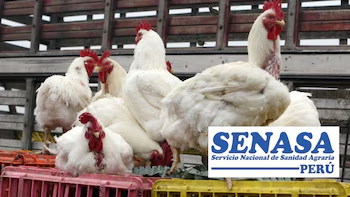
National Health Emergency Declared
The declaration of a national health emergency in Peru has been prompted by the emergence of the highly pathogenic H5N1 avian influenza virus. This action places one of the essential sectors supporting the country’s food supply under critical scrutiny and activates extensive measures to mitigate the virus’s spread.
Scope and Duration of Emergency Measures
This public health measure encompasses the entire Peruvian territory and is set to last for 90 calendar days. The resolution includes various health control actions and outlines restrictions on the movement of birds, mandating compliance from poultry producers and owners to effectively contain the outbreak.
Role of SENASA
The National Agrarian Health Service (SENASA), affiliated with the Ministry of Agrarian Development and Irrigation (MIDAGRI), supports these measures due to the potential risks posed to national chicken and egg production, which are staples in the daily diet of millions of Peruvians. The urgent nature of the situation necessitates monitoring and controlling actions across affected regions.
Identification and Response to the Outbreak
The health emergency originated from the identification of a case of highly pathogenic avian influenza type A, subtype H5N1 in San Vicente de Cañete, located in the Lima region. Testing by the Animal Health Diagnostic Center confirmed the diagnosis on July 6. Following this revelation, immediate measures were implemented, including quarantine of the affected property, culling of infected birds, and establishing a restricted perimeter to control any further viral spread.
“The Directorate of Animal Health has advocated for a nationwide health emergency due to the significant risk from the virus,” stated a document outlining the emergency measures.
Enhanced Surveillance and Compliance Obligations
The resolution emphasizes intensified surveillance in the outbreak area. The goal is clear: eliminate the virus and prevent it from reaching other regions in Peru. Additionally, SENASA reports that 70% of animal protein consumed in the country comes from poultry production. Hence, extraordinary measures against the outbreak are critical.
Key Preventive Regulations
Under the provisions of the health emergency, various regulations will be enforced. These include:
- Prohibition of Movement: Live domestic birds and poultry can’t be moved without proper authorization.
- Ban on Events: All chicken fairs, exhibitions, and gatherings are forbidden within affected zones.
- Disposal Regulations: Throwing live or dead birds into public areas is strictly prohibited.
Owners of properties housing birds are obliged to implement strict quarantine measures, enhance biosafety protocols, and regularly report any health signs or production declines to SENASA.
Consequences of Non-Compliance
Failure to adhere to these stringent measures could lead SENASA to seek public force support and apply legal sanctions. The importance of cooperation to safeguard public health and the poultry industry cannot be overstated.
In light of the current avian influenza crisis, Peru is taking significant steps to fortify its poultry sector while protecting public health and ensuring food security throughout the nation.