
The Evolution of Mobile App Interaction
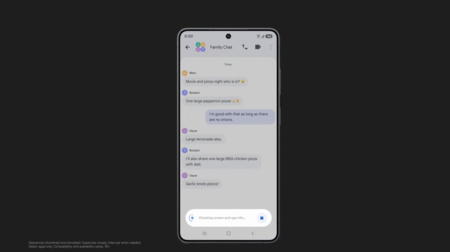
The way we use mobile apps is entering a transformative stage. Traditionally, Android users navigate through applications, performing actions in a step-by-step manner. However, Google is now exploring a model where artificial intelligence (AI) serves as an intermediary between user requests and the capabilities of various apps. This shift means users may find themselves no longer scrolling through menus or manually completing processes. Instead, simply expressing their needs could be sufficient for the system to coordinate and execute the required tasks.
The Next Step in Android
In a recent official developer blog, Google introduced new capabilities aimed at enhancing how applications interact with AI systems and assistants. These features allow tools like Gemini to discover and execute specific actions within compatible apps. Although this project is still in its early stages, it signifies a movement toward redefining Android as an ecosystem where AI assists in task completion.
Understanding AI Agents
In the realm of AI, an agent is a system engineered to transition from simple responses to actionable outcomes. Unlike earlier digital assistants that provided mere answers, modern agents are designed to comprehend intentions and effectively plan actions. They employ natural language understanding, context evaluation, and decision-making capabilities to fulfill requests. The focus shifts from generating text or suggestions to orchestrating a series of decisions aimed at achieving specific goals.
Rethinking App Design
The implications of Google’s vision go beyond AI capabilities; they extend to the very fabric of app development within Android. Traditionally, apps focused on encouraging users to open them and complete tasks within their interfaces. However, this paradigm is shifting. Success will increasingly hinge on an app’s ability to assist in task completion, often without requiring direct user interaction with its entire interface.
The Introduction of AppFunctions
One of the pivotal changes Google is proposing is the introduction of AppFunctions. This set of tools allows developers to expose specific functions and data to intelligent assistants like Gemini. For example, the recent Galaxy S26 series enables Gemini to access Samsung Gallery functions, allowing users to locate photos through natural language requests. This means users can request to see images of their pets without navigating manually through the gallery.
Interface Automation: A Novel Approach
In addition to direct integrations, Google is also developing an interface automation system designed to extend this AI model to a broader array of applications. Rather than relying on pre-exposed functions, the AI can operate directly on app interfaces. As part of initial testing, this feature will be piloted on recent Galaxy S26 models and select Pixel 10s within specific delivery, grocery, and transportation apps in the United States and Korea. Users will receive notifications to track the process and maintain control, ensuring transparency and security throughout the interaction.
A Glimpse into the Future
Google’s announcements herald the beginning of a new phase for Android. While these new features are still in development and deployment will be gradual, they imply a future where artificial intelligence plays a crucial role in our daily mobile interactions. Although the Pixel and Samsung models are the early adopters, Google aims to extend these functionalities across various manufacturers as the ecosystem matures. Ultimately, the effectiveness of these integrations will depend on user adaptability, tool evolution, and the dynamic interaction between technology and everyday tasks.
Images | Google