
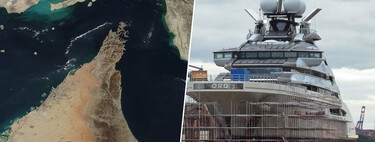
The Strait of Hormuz Closure: A Six-Month Standstill
On March 2, 2026, the Strait of Hormuz was officially closed, although the blockade began unofficially on February 28. This closure has had immediate repercussions, notably increasing fuel prices, as consumers noticed when visiting gas stations. Almost six months into this closure, glimpses of an eventual reopening have emerged, coupled with measures by the Spanish government to ease fuel pricing.
The Stagnation of Over 1,500 Ships
Currently, it is estimated that over 1,500 large merchant vessels are stranded in the Gulf region. Unlike the standard one to three days a vessel typically spends at port, many of these ships have remained motionless for over 40 days. This unprecedented stagnation poses significant environmental risks.
The Threat of Biofouling
As these vessels remain idle, aquatic organisms such as algae, mussels, and larvae proliferate on their hulls. Research indicates that biofouling begins within just 10 days of immobility. According to the International Maritime Organization, prolonged berthing heightens the risk of bioinvasion, necessitating urgent action when a vessel has been inactive for more than 18 to 30 days.
Implications for Global Shipping and Ecosystems
The current situation raises serious concerns, as many of these vessels will resume their global routes, potentially introducing non-native species into various marine environments. Regions like Jeddah, Bombay, and Singapore on the eastern front, as well as Alexandria, Piraeus, and Rotterdam in the west, face heightened risks. The introduction of invasive species could lead to significant ecological damage and the potential spread of pathogens, resulting in catastrophic consequences for native fauna and human populations.
Historical Context of Invasive Species Spread
This is not the first instance when geopolitical tensions have resulted in the spread of invasive species. A historical parallel can be drawn from the Second World War when New Zealand ships detained in English ports introduced the Australasian barnacle, Austrominius modestus, into Western Europe. Similarly, the six-day temporary closure of the Suez Canal in 2021 highlighted biosecurity concerns, albeit on a smaller scale.
Preventative Measures to Avert Disaster
To mitigate the potential crises stemming from this situation, experts recommend several proactive measures. Underwater cleaning of ship hulls before they set sail, careful planning to notify destination ports, and monitoring through environmental DNA testing in high-risk areas are critical strategies for preventing widespread ecological damage.
The Road Ahead: Challenges and Optimism
While the current crisis may seem dire, it is important to note that the predicted ecological disaster has not yet occurred. The available data stems from projections rather than actual sampling. However, the logistical challenges of implementing underwater cleanup operations could limit effective interventions. Balancing the urgency of resuming shipping activities with environmental concerns will be critical in the months ahead.
The future remains uncertain as the global community watches closely for signals regarding the reopening of the Strait of Hormuz. The environmental and economic repercussions of the waited resumption of these ships could indeed spiral if not addressed comprehensively.