
When it comes to witnessing a solar eclipse, enthusiasts have various choices. Viewers can opt for totality or partiality, focus solely on the Sun, or appreciate the atmospheric changes around them. Some may use certified eclipse glasses for direct viewing, while others might employ a pinhole camera for indirect observation. One crucial element that significantly enhances the eclipse experience is a sky free of light pollution. For this reason, Starlight reservations and destinations are prime locations for those eager to observe the solar eclipse on August 12, 2026.
What are Starlight Certifications?
The Starlight Seal, awarded by the Starlight Initiative, recognizes areas that prioritize the preservation of the night sky and promote access to starlight. This initiative was formalized in 2009 during a UNESCO meeting involving globally renowned organizations, including the International Union of Astronomy.
There are different types of Starlight certifications, with the two most common being Starlight reserves and Starlight tourist destinations. Starlight reserves are typically natural spaces, including:
- Core zone: Where the natural lighting conditions and clarity of the night sky are preserved.
- Buffer zone: Surrounds the core zone and mitigates potential light pollution effects, often incorporating small human settlements.
- General area: This consists of regions where human activity may impact the overall quality of the night sky.
Starlight tourist destinations, on the other hand, are accessible places that offer exceptional conditions for stargazing and are shielded from light pollution, making them excellent venues for astrotourism. Other entities, such as parks and accommodations, can also gain the Starlight seal independently.
Starlight Destinations and Reservations in Spain
Obtaining Starlight certification is challenging due to stringent requirements, resulting in few certified sites globally. In Spain, there are over 70 destinations and more than 20 Starlight reservations. Notably, the largest reserve globally is Sierra Morena in Andalusia, covering over 400,000 hectares across 57 municipalities.
While Sierra Morena boasts beautiful skies, it falls outside the totality range for the upcoming solar eclipse, making it an ideal destination for partial viewing. It’s essential to identify areas within the totality range for the best experience.
Starlight Destinations for the Solar Eclipse
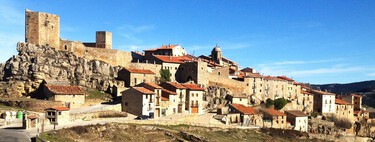
For the solar eclipse on August 12, 2026, there are 31 Starlight destinations within the totality band, predominantly located in Galicia, Navarra, and Aragón. Various engaging activities will accompany the event, such as traditional bell ringing in Lerín, Navarra, and family-friendly events at the Borobia observatory in Soria. Notably, the Allande region in Asturias can expect the longest duration of totality, lasting an impressive 1 minute and 48 seconds.
For individuals unsure about where to view the eclipse or which locations hold the Starlight seal, our interactive map can guide you. Remember to also seek observation points that are clear of mountains, buildings, or trees to fully appreciate the Sun’s journey during the eclipse.
As the date approaches, the excitement builds for the celestial display awaiting us, with opportunities not only to witness this awe-inspiring phenomenon but to do so from locations dedicated to preserving the beauty and clarity of our night skies.