
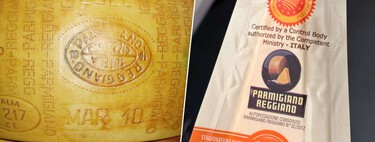
The summer has started strong with a heat wave that has affected all of Europe, and experts are already warning of even worse conditions ahead. Extreme temperatures not only impact humans; animals are also suffering, leading to significant disruptions in vital industries in Italy, particularly the production of Parmesan cheese.
What’s Happening to Parmesan Cheese?
According to a report by Reuters, extreme heat poses a drastic threat to the production of this beloved Italian cheese. Temperatures can soar above 40 degrees Celsius, causing cows to eat less and lie down more, resulting in a milk production decrease of up to 10%. Milk is the primary ingredient in Parmigiano Reggiano, meaning any reduction in supply directly affects cheese production.
The Challenge of Cooling Cattle
Livestock farmers used to manage the heat by simply opening stable windows at night, but this is no longer sufficient in the current climate conditions. They now keep windows wide open continuously and have even invested in fans equipped with water misters to help reduce temperatures further. However, temperature control in farming has become increasingly challenging, and the strain on both animals and farmers is evident.
Rising Energy Costs
Another significant issue is the increasing energy costs associated with keeping livestock cool. Many farms are experiencing a surge in electricity bills due to the installation of cooling systems. Cheese storage companies are also feeling the pinch; some have reported a 30% rise in energy consumption just to maintain optimal storage temperatures. Giancarlo Ravanetti, director of “The Bank of Parmigiano”—a facility that stores half a million wheels of cheese worth around 300 million euros—has stated that they are working to improve energy efficiency by modernizing systems and increasing renewable energy production.
The Grass Dilemma
A critical factor in Parmesan production is the availability of high-quality grass fed to cows. Authentic Parmigiano Reggiano is produced in five provinces within the Emilia-Romagna region, where specific grazing conditions must be met. The president of the Parmigiano Reggiano Consortium has expressed concern, explaining that without rain, grass can’t grow; without grass, hay cannot be produced; and without hay, the milk required for cheese becomes unattainable.
An Industry at Risk
Parmesan is not just an icon of Italian cuisine; it also plays an essential role in the economy of Emilia-Romagna. This industry employs thousands and generates approximately 4.5 billion euros annually, with exports—primarily to the US—accounting for a significant portion of these earnings. Paolo Ganzerli, a sales director at GranTerre, warns that if extreme climate events continue to escalate, both the quantity and quality of milk will suffer, driving up costs. He stresses, “Parmigiano Reggiano has been around for more than 800 years. We don’t want to be the last generation to eat it.”
The threat posed by extreme heat to Parmesan cheese highlights the urgent need for solutions in agriculture and food production as climate change becomes increasingly pronounced. Preserving this cherished culinary heritage requires a concerted effort from farmers, consumers, and policymakers alike.
Image | Unsplash, edited
Direct to the Palate | How Italians have made Parmesan cheese known (and imitated) all over the world