
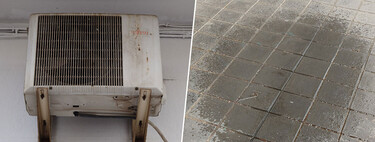
The Rise of Air Conditioning Demand in Europe
I don’t know anyone who likes air conditioning, especially for sleeping. However, when the heat is on, it is impossible to spend the days inside the house without it. As a Spaniard living in La Mancha, where air conditioners are commonplace, I recognize that in other parts of Europe, air conditioning penetration has historically been low, hovering around 20%. This is changing rapidly.
Heat Waves Drive Demand
Countries like France, Germany, the Netherlands, and the United Kingdom have recently begun purchasing air conditioners at an unprecedented rate. The challenge? China, the primary supplier, struggles to meet this surging demand. While air conditioners may not be geopolitics per se, the situation bears political implications.
It’s Sweltering and Solutions Are Scarce
During a recent trip to Vivatech in Paris, I found myself in a city on orange alert for heat at just 29ºC—mild by Spanish standards. However, many establishments lacked air conditioning, leaving indoor spaces unbearably warm. Stories of discomfort are rampant; one taxi driver expressed that his working hours were the only relief from his sauna-like home.
The Alarming Rise in Mortality Rates
With rising temperatures, mortality due to heat has escalated over recent weeks. European nations are scrambling to acquire air conditioners, but they encounter an overwhelming shortage.
Retailers are Struggling to Keep Up
Reports from the SCMP highlight the dramatic scenes in stores—shelves entirely empty of air conditioning units. After searching through 1,176 online stores, a local even found the exact model he wanted available only in one location. Many now seek refuge in fountains and rivers as air conditioning units become akin to rare commodities.
Production Bottlenecks
China dominates the air conditioning market, with leading brands like Haier and Gree. They are responding to the urgent demand by ramping up production, yet are caught in a bottleneck. Estimates show that China exports around 40% of the world’s air conditioning units, but factories can’t keep up with the current wave of demand.
While companies strive to produce more units, rising demand from Europe leads to logistical challenges. Brands are prioritizing portable models suited for European markets, but the capacity limits mean they cannot satisfy every request.
Installation Issues Complicate Matters
With future forecasts predicting that 70 million air conditioning units will be necessary by 2030 just to cover approximately 35% of European homes, installation itself poses another hurdle. Various cities have stringent regulations, particularly concerning historical buildings, complicating the installation process.
Trade Relations Affect Supply
Amid a backdrop of discussions about the EU’s trade deficit with China, Europe faces an urgent need for air conditioning units, leaving policymakers in a predicament. As the conflict between domestic production and reliance on Chinese imports intensifies, the situation symbolizes a growing political and economic conundrum.
As air conditioning becomes intertwined with geopolitics, it raises questions about energy consumption and sustainability. The electricity demands of these units pose significant environmental concerns, particularly in regions where energy sources are not predominantly renewable.
The Path Forward
The heat wave in Europe is spotlighting the urgent need for air conditioning and bringing to the fore the logistical challenges, regulatory barriers, and geopolitical implications of reliance on external suppliers. As the climate crisis exacerbates temperature extremes, the demand for cooling solutions will only intensify, making it crucial to navigate these complexities wisely.