
National Assembly’s Bill on Ligue 1 Broadcast Rights
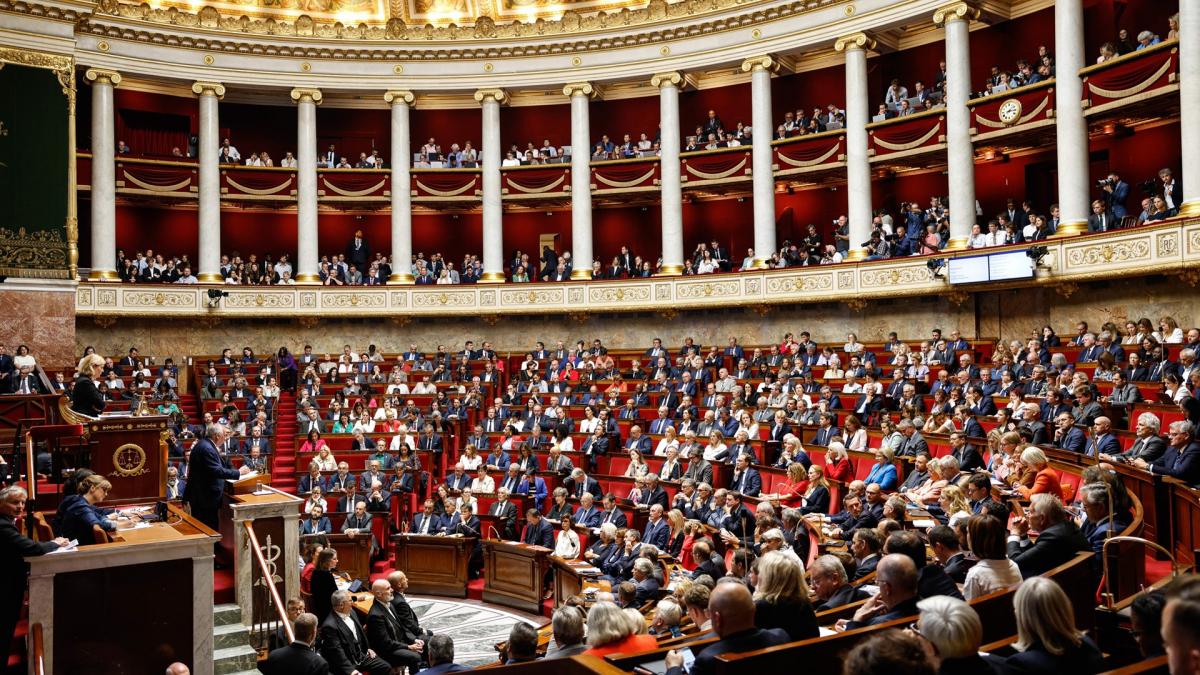
The National Assembly convened recently to discuss a transformative bill aimed at reforming French professional football. At the heart of this proposal is a significant change: the plan to broadcast at least one Ligue 1 match free-to-air each day. This initiative has garnered support from several deputies who argue that it could effectively combat piracy and expand access to France’s premier football league, which currently sees most viewership confined to subscribers of the Ligue 1+ platform, estimated at around one million members.
Benefits of Free-to-Air Broadcasting
One of the primary motivations behind the proposed amendment is to make Ligue 1 more accessible to a broader audience. By allowing one match to be broadcast for free each day, the hope is to draw in casual viewers who may not want to commit to costly subscriptions. This could potentially increase overall interest in the league, making it a familiar presence in households across the country. Supporters of the measure believe that it would also mitigate the rampant issue of piracy, which threatens the financial viability of many sporting events, including those in Ligue 1.
Opposition from the Professional Football League
Despite the potential benefits, the Professional Football League (LFP) has strongly criticized the bill. Their concerns center around the associated risks of diminished TV rights revenues, which account for over half of the income generated by French football clubs. The League fears that losing subscription-only matches could devalue existing broadcasting deals, leading to significant financial losses for clubs that heavily depend on this income source.
Growing Tensions in French Football
The debate over this legislation illustrates a growing rift between various stakeholders in French football, including parliamentarians, broadcasters, and football authorities. Notably, 22 Ligue 1 club presidents have united in opposition to the proposed amendment, voicing their concerns over the financial implications. The bill has already been passed in the Senate but still requires further debate and possible modifications in a joint committee session set for July 21.
The contentious environment surrounding these discussions has persisted for nearly two years, reflecting ongoing tensions that underscore the delicate balance between accessibility and financial sustainability within French football.
Conclusion
As the dialogue surrounding this bill continues to evolve, it highlights critical issues about the future of broadcasting in sports. On one hand, the push for increased accessibility aims to cultivate a broader fan base; on the other, economic realities pose significant risks to the clubs invested in these broadcasting rights. Ultimately, the outcome of this bill may set the stage for a new era in French football broadcasting, with implications that extend beyond Ligue 1 itself and into the future of sports rights worldwide.
As all parties prepare for the next round of discussions, the football community watches closely, knowing that the stakes are high not just for Ligue 1, but for the sport across France in general.