
The Drone War Against the Russian Nuclear Arsenal
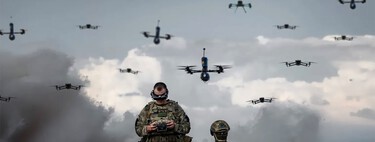
The British Navy made a fascinating discovery during naval tests in 1945: a flock of birds could appear on radar resembling enemy aircraft. Fast forward eight decades, and this same challenge persists, as some of the world’s most advanced military systems grapple with low-cost, hard-to-detect threats. Reports indicate that drone warfare in Ukraine is reshaping military strategies far beyond the frontline.
Satellite Images Reveal Heightened Defense Measures
Recently, satellite imagery captured over the Russian submarine base at Rybachiy, located on the Kamchatka Peninsula, shows two Borei-class nuclear submarines entirely covered with anti-drone nets. This visual serves as a stark reminder that even at a distance of 7,400 kilometers from Ukraine, Moscow feels compelled to bolster defenses against perceived threats.
Drones as a Strategic Challenge
The evolving situation demonstrates that drones have transformed from tactical nuisances to significant strategic challenges. Russia has previously employed various protective measures, such as cages and nets, on ships in the Black Sea. Now, this focus on drone defense has extended to crucial military assets far removed from direct combat.
The Underlying Fear
Interestingly, Russia’s concern isn’t focused solely on direct drone attacks from Ukraine but rather on covert operations resembling those that have successfully targeted Russian assets previously, even at great distances. The coverage of these submarines illustrates a profound shift in military thinking, recognizing the potential for small, inexpensive drones to threaten high-value military systems.
The Psychological Shift in Military Strategy
The Impact of Drone Vulnerability
These anti-drone nets are not designed to hide submarines from satellite surveillance; instead, they serve a defensive purpose. Their main aim is to thwart light drones from landing on the submarines or delivering explosive charges to critical points while surfaced. While some level of protection has been established on submarines stationed in the Baltic and Arctic, the extensive coverage at Rybachiy speaks volumes about Russia’s perception of threat levels.
Changing Perceptions of Military Immunity
The psychological ramifications are significant. Ukraine has managed to divert Russian resources and attention to bases located thousands of kilometers away, challenging long-held notions of nuclear deterrence. Traditionally, submarines in remote locations were considered untouchable except in all-out warfare; however, drones have begun to dismantle that feeling of security.
Conclusion: Transforming Military Rules
The protective nets covering Russia’s nuclear submarines symbolize a broader transformation in military calculus triggered by the Ukrainian conflict. Platforms designed for resilience against atomic warfare must now contend with threats from cheap drones and improvised attacks. While Russia retains a formidable nuclear and naval advantage, the proliferation of drones introduces a complex dimension to security concerns—changing perceptions of military vulnerability on a global scale.