
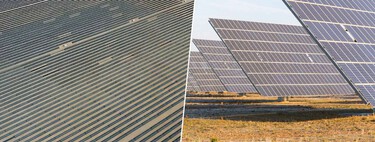
The Atacama Desert: Chile’s Energy and Astronomical Treasure
Chile’s Atacama Desert stands out as a treasure trove of 105,000 km², not only for its geological richness but also for its extreme aridity, making it an essential area for studying unique ecosystems and for pioneering renewable energy. While this desert is celebrated for its capacity to host remarkable astronomical observatories, it faces a challenging destiny as these two crucial fields—renewable energy development and space observation—clash on its barren terrain.
The Atacama as Chile’s Renewable Powerhouse
Due to its unrivaled climatic conditions, the Atacama has become the heart of Chile’s renewable energy strategy, often referred to as the country’s “renewable battery.” Here, solar energy and wind projects are flourishing, driven by the region’s abundant sunlight and strong wind currents. Moreover, hidden beneath its salt flats are some of the largest lithium reserves in the world, critical for manufacturing batteries used in electric vehicles and renewable energy technologies.
However, this energy boom comes at a cost. The rapid development of clean energy sources is leading to significant biodiversity loss and environmental degradation, raising the stakes for local ecosystems and species.
Conflict with Astronomical Interests
The push for renewable projects has led to intense debates, particularly around the proposed INNA project by American AES Corporation and Chilean AES Andes. This ambitious initiative aimed to develop over 3,000 hectares for photovoltaic energy and green hydrogen production, alarmingly close—only 10 kilometers—to the renowned Paranal Observatory, one of the world’s key astronomical research sites.
Astronomers voiced deep concerns regarding this project, highlighting that light pollution, vibrations, and dust from construction could severely impact astronomical observations. The Paranal Observatory is globally significant, hosting the Very Large Telescope and future installations like the Extremely Large Telescope, vital for our understanding of the universe.
A Temporary Victory for Astronomers
After significant advocacy from the scientific community and public outcry, the astronomers emerged victorious as AES Andes recently announced its decision to abandon the INNA project. While they claimed that it would still seek to develop compatible facilities, this decision marks a temporary win for those advocating for the preservation of Atacama’s dark skies.
Still, the battle remains critical not just for the Paranal Observatory but for around 30 other observatories in the region. Chile is home to some of the best astronomical conditions, with more than 300 nights per year free from clouds and rain, making protection paramount.
Ongoing Challenges and Future Implications
Despite this victory, the Atacama Desert’s future hangs in the balance as the pressure from energy companies remains high. Researchers note that previous mining expansions led to the closure of vital astronomical facilities, revealing a troubling history of neglect regarding the balance between renewable energy and astronomical needs. There is a pressing call for more robust legislation to protect Chile’s skies and ensure the sustainability of both energy and scientific exploration.
Understanding that individual battles will continue to arise, there is hope that legislative reforms will pave the way for a cooperative approach to preserve both Chile’s astronomical potential and its renewable energy goals.