
The Rise of the “Pilates Mom” Phenomenon
Just a few scrolls through TikTok or Instagram will reveal a striking trend: the “Pilates Mom” aesthetic characterized by pastel sportswear, pristine sneakers, and oversized water bottles. This movement, often dismissed as superficial, is influencing how we talk about women’s health and anatomy. The “Pilates Princess” trend that surged in 2023 epitomizes a lifestyle focusing on luxurious femininity and a devotion to Pilates, shaping how women perceive their bodies and health.
Breaking the Silence on Female Anatomy
For years, traditional medicine has neglected to properly educate women about their anatomy. According to Dr. Larissa Rodriguez from Weill Cornell Medicine, many women learn about critical issues only when problems occur. Surprisingly, social media and its algorithms have played a key role in bringing the pelvic floor into mainstream conversation. Physiotherapist Sarah Percy, known for her effective videos on pelvic muscle health, has garnered over 21 million views, proving that a simple social media post can generate more awareness than years of pamphlets in doctors’ offices.
The Importance of the Pelvic Floor
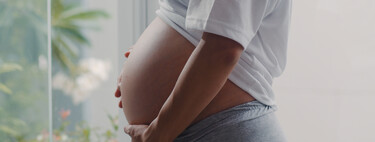
The pelvic floor is a crucial muscle group that supports vital organs like the bladder and uterus. During pregnancy, this structure supports a weight comparable to “a huge bowling ball,” leading to complications such as urinary incontinence for nearly 50% of pregnant women. Beyond motherhood, this issue extends to female athletes, with more than 70% experiencing urinary incontinence, causing many to abandon exercise due to embarrassment.
Pilates as a Solution
Medical science supports the effectiveness of Pilates in addressing pelvic health issues. Unlike traditional exercises that may exacerbate problems, Pilates focuses on re-educating the body through techniques like hypopressive pilates, which emphasize controlled breathing to manage abdominal pressure. Moreover, women in their forties and fifties are finding empowerment in Pilates and strength training, tackling perimenopausal symptoms and reclaiming their physical independence.
Caveats from Experts
Despite its benefits, Pilates is not a substitute for physiotherapy. Some women experience hypertonicity, or excessive tension, in their pelvic floor muscles, requiring a different approach for relaxation instead of generic Kegel exercises. Additionally, caution is warranted in group settings as unqualified instructors may increase the risk of injury.
Elitism in the Wellness Market
The Pilates trend also reveals underlying issues in the health and wellness industry. This hypercapitalist market has standardized fitness into luxury, with classes averaging over 25 dollars, making pelvic care an inaccessible option for many. Compounding this are social media’s disturbing beauty norms, which often celebrate a narrow definition of health and ignore diversity, further marginalizing the voices of women who don’t fit this mold.
A Shift Towards Body Literacy
Amidst these challenges, the movement towards “Body Literacy” is underway. Women are increasingly seeking knowledge about their anatomy beyond just aesthetic concerns, aspiring for a deeper understanding of their bodies, hormones, and overall health.
The Legacy of the Pilates Trend
Despite its commercial trappings, the “Pilates Mom” phenomenon has ignited a vital dialogue about female anatomy that has persisted over generations. Today’s women are breaking down barriers and educating the next generation about menstruation, pelvic pain, and health management, moving away from the stigma surrounding otherwise taboo topics.
No longer is discomfort and pain seen as an inevitable part of womanhood; instead, there is a rising acknowledgment that pelvic health deserves respect and attention. Thanks to this internet trend, women are reclaiming their bodies and demanding greater awareness and care for their health.