
Navarra: From Wind Energy Leader to Battery Manufacturing Hub
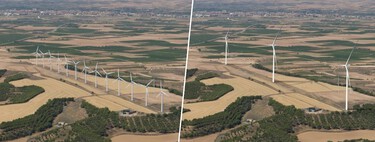
Navarra is solidifying its position as a global leader in renewable energy, especially in wind energy. Since the establishment of its first wind park in 1994, the region has transformed its landscape, fitting its iconic mountains with wind turbines and developing a robust business ecosystem. This evolution has earned Navarra the nickname “Silicon Valley of wind turbines,” and now, it is poised to ascend to new heights by venturing into the battery manufacturing sector.
The Emergence of Hithium
At the forefront of this transition is Hithium Energy Storage Technology, which has recently finalized an agreement to construct a battery gigafactory in Navarra. The project, spearheaded by a joint venture between the Government of Navarra and Hithium, aims to manufacture lithium iron phosphate (LiFePO4) cells and assemble battery energy storage systems (BESS). This collaboration is a significant step in the region’s ongoing energy transition, highlighted by Navarra’s President who stated, “We know that China has decided to go out and invest in Europe and these are opportunities that Navarra cannot miss.”
Project Details
The agreement, signed in China, represents a considerable investment of €450 million and is expected to create approximately 700 jobs, with potential expansion adding an additional 300 positions. Production is slated to begin by 2027, with the old BSH plant in Esquíroz/Ezkirotz being the favored location for the facility.
The Importance of Energy Storage
Stationary batteries have become a crucial component in Europe’s energy transition. The ability to store electricity generated from renewable sources like solar and wind is essential for maintaining a stable electrical grid. Presently, Europe has substantial renewable energy generation capacity but lacks a robust storage industry. Hithium’s gigafactory seeks to address this gap, providing a local supply chain for battery manufacturing and circumventing tariffs associated with Chinese products.
Economic and Industrial Growth in Navarra
The implications for Navarra extend beyond immediate economic investment and job creation. Transitioning from a clean energy generation leader to a manufacturing hub for energy storage systems positions Navarra as an emerging industrial ecosystem on par with few regions in Europe. This initiative will complement the existing Hyundai Mobis battery factory in Noain, further solidifying Navarra’s status in the battery manufacturing landscape.
Strategic Context: The Net-Zero Industry Act
This development aligns with the European Union’s efforts to bolster industrial sovereignty via the Net-Zero Industry Act (NZIA). By selecting Navarra, Hithium can label its products as “Made in EU,” ensuring compliance with European sustainability standards and regulatory frameworks. This move is particularly timely, considering the increased demand for large-scale energy storage solutions amid the ongoing global energy crisis.
Who is Hithium?
Although perhaps not as renowned as its counterparts CATL, BYD, or Huawei, Hithium is making waves in the sector. Founded in 2019 by former CATL engineer Wu Zuyu, the company has quickly ascended to become one of the leading manufacturers of stationary storage batteries worldwide, boasting a workforce of over 8,000 employees across more than 20 countries. The establishment of the Navarra factory will further enhance Hithium’s footprint in Europe, serving as a crucial reference point for the continent.
A Word of Caution
Despite the promising outlook, it’s essential to note that the agreement is still subject to administrative approvals, and certain uncertainties remain regarding the project’s location. The participation of SODENA means that local citizens will share the risks if the venture faces delays or challenges in meeting its objectives.
Additionally, Europe’s dependency on rare earth materials and semiconductors continues to present a technological challenge. While the gigafactory will create local jobs and produce within the EU, many strategic decisions and intellectual property aspects will still be governed by the Chinese market.
Conclusion
In summary, Navarra’s journey from the ‘Silicon Valley of wind’ to a European battery production powerhouse signifies an important milestone in the region’s energy narrative. As it advances, the impact of this initiative will reverberate throughout the European energy landscape, paving the way for enhanced energy independence and sustainability.