
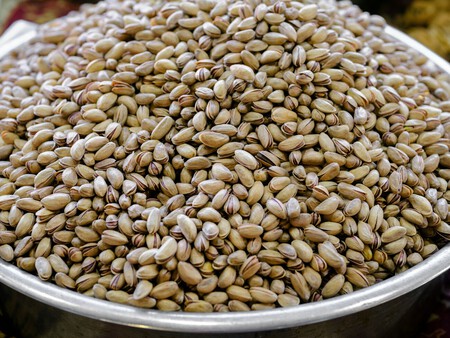
The Surge of Pistachio Demand: A Result of Dubai Chocolate
The pistachio market has witnessed significant fluctuations over recent years, primarily due to a surge in demand fueled by the popularity of “Dubai chocolate.” This confectionery, which artfully combines cocoa and pistachios, quickly captured the attention of consumers worldwide, leading to pressure on supply chains and inflation of prices. Now, a hostile conflict in Iran—one of the globe’s largest pistachio producers—has exacerbated the situation, potentially setting the stage for even greater economic repercussions.
The Impact of Dubai Chocolate
Rising Prices
Before delving into the impacts of geopolitical events, it’s essential to recognize the influence of Dubai chocolate. TikTok and social media helped propel pistachios into the spotlight, driving a remarkable increase in their prices. According to Bloomberg, the price of pistachios reached $4.57 per pound in March, marking the highest price observed since May 2018. This substantial rise indicates that pistachios are not merely a culinary trend but a significant economic asset.
The Role of Global Markets
The broader pistachio market is a complex network that generates billions worldwide. While Iran is a major supplier, multiple countries contribute to this market, making it crucial to understand various dynamics. For instance, platforms like Pistachio Pro in Spain have reported dramatic price increases for different pistachio varieties, indicating a widespread impact across regions.
The Influence of the Iranian Conflict
Conflict and Production
Iran remains a pivotal player in the pistachio industry, producing approximately 18% of the global supply. Disruptions caused by the ongoing conflict could lead to decreased production levels, affecting not just Iran but also international supply chains. Analysts have pointed out that the current situation could reduce energy and water supplies crucial for irrigation, causing further declines in production from this key region.
Geopolitical Tensions
The intertwining of pistachio production with geopolitical strife cannot be overlooked. The Iranian industry has been under external pressures from sanctions and internal challenges stemming from political unrest. Consequently, farmers may find it increasingly difficult to harvest and supply this coveted nut, which could lead to even higher prices globally.
Broader Implications for Global Markets
A Chain Reaction
The ramifications of the conflict extend beyond the borders of Iran. Disruptions in shipping, especially around critical maritime routes like the Strait of Hormuz, will affect not only pistachios but other essential commodities reliant on these pathways. Recent reports indicate that shipping companies have begun to cancel reservations for routes serving Iran and the surrounding regions.
Effects on Competitors
While it might seem that U.S. producers could benefit from the turmoil, some reports suggest that even Californian farmers are feeling the heat. Many have found themselves with product stuck on ships, unable to reach key markets. The ripple effects of the conflict illustrate how interconnected global agricultural systems have become.
The Future of Pistachio Prices
An Uncertain Market
The current state of the pistachio market can be characterized as “expectant.” Rising costs, decreased supply, and straining trade relations pose challenges that could ripple throughout the industry. Analysts warn that even those not directly sourcing from Iran will face heightened competition for available stocks elsewhere.
A Potential Harvest Boom
Interestingly, regions like Ciudad Real in Spain have positioned themselves to capitalize on this demand. Reports indicate that local farmers are gearing up for what may be the largest pistachio harvest in recent years, hoping to fill the gap left by potential Iranian shortfalls.
In conclusion, the world of pistachios is at a critical juncture. As the Dubai chocolate trend rises, geopolitical conflicts threaten to reshape supply chains and drive prices to unprecedented heights. Farmers and consumers alike are left watching closely as the situation evolves, with considerable implications for the global market.