
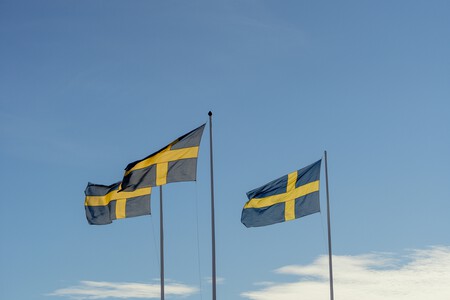
Santa Catalina: A Neighborhood Transformed
Neighborhoods evolve over time, but it’s not common for a locale to gain a distinct cultural identity through the influx of foreign accents—especially Scandinavian ones. Located in Palma de Mallorca, Santa Catalina has witnessed a remarkable transformation. Once a quaint fishing district, the area has now become a bustling hub for tourists and expats, particularly from Sweden.
The Emergence of “Little Sweden”
In recent years, residents and visitors alike have started referring to Santa Catalina as “Little Sweden”. The region’s Scandinavian influence has intensified since 2017, when it was noted in Mallorca Diary that Swedes had begun acquiring numerous shops and apartments, contributing to the eclectic blend of cultures. This phenomenon extends beyond just Santa Catalina; it’s a broader trend across Mallorca, but the distinct presence of Swedish expats is particularly noticeable here.
Changing Faces of Santa Catalina
Listening to long-term residents like Antoni, a 79-year-old local, provides insight into the rapid changes in the neighborhood. He laments, “There are few Mallorcans left.” His sentiment is echoed throughout the streets, where modern renovations and shop windows displaying foreign languages, including Swedish, have become commonplace.
Residents note that old businesses are declining, and former childhood friends have dispersed, contributing to a sense of loss among locals who can hardly recognize their neighborhoods anymore.
Demographic Shifts
As a reflection of broader demographic trends, the Balearic Islands now boast one of the highest percentages of foreign populations in Spain. According to the Funcas Foundation, around 29.3% of the population was born outside of Spain in recent years, sharply rising from 15.3% in 2004. This increase captures the growing influence of foreigners, including a noticeable Swedish presence.
The Real Estate Boom
Despite not forming a majority, Swedes have shown considerable interest in Mallorca. They are drawn by affordable property prices compared to their home country. For instance, Patric, a local business owner, emphasized how prices in Stockholm are significantly higher: “In Stockholm, the square meter is around 10,000 euros, making Santa Catalina seem cheap by comparison.”
Real estate agencies catering specifically to the Scandinavian market have sprung up, promoting a reliable Swedish property model in Spain. The escalating prices are striking: as of now, the cost per square meter in Santa Catalina has surged to 6,200 euros, far exceeding 2,385 euros from a decade ago. Rent prices mirror this trend, making Santa Catalina increasingly expensive.
Complex Challenges Ahead
While the real estate boom enhances the area’s appeal for some, it brings challenges. Long-term residents face rising living costs and a diminished sense of community. The shift is evident in the experiences of locals like Raúl, who notes, “There are no longer any of my childhood friends left in the neighborhood.” He attributes part of the problem not to foreign buyers but to local sellers cashing in on the unprecedented demand.
Conclusion
The transformation of Santa Catalina into a “Little Sweden” is a multifaceted phenomenon marked by demographic shifts, rising property values, and the mingling of cultures. As the neighborhood continues to evolve, it raises essential questions about the future balance of local heritage and the emerging international influences in this picturesque Mallorca locale.
Images courtesy of Unsplash.