
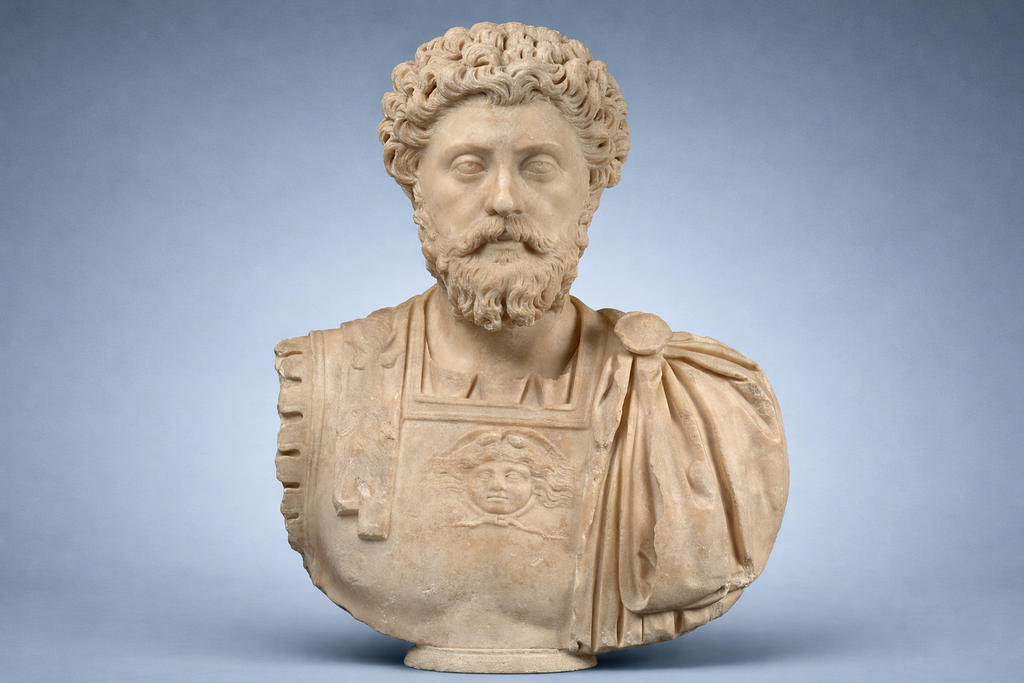
Understanding Marcus Aurelius’ Wisdom
Marcus Aurelius, a prominent Stoic philosopher and Roman emperor, conveyed profound insights on human existence through his writings. One particularly striking phrase from his Meditations states, “Receive without pride, let go without regrets.” This aphorism encapsulates essential elements of Stoic philosophy, encouraging us to navigate life’s ups and downs with grace.
The Context of Meditations
Aurelius penned his reflections primarily for personal use, capturing his thoughts on ethics, virtue, and self-mastery during times of great personal and political turmoil. His work, regarded as a cornerstone of Stoicism, emphasizes clarity and simplicity over complex rhetoric. This straightforward approach allows readers to distill life lessons that remain relevant even today.
Breaking Down the Phrase
“Receive Without Pride”
The first part of Aurelius’ statement, “Receive without pride,” invites us to accept life’s fortunes and successes with humility. Pride, in this context, can cloud judgment and foster a sense of superiority. By practicing humility, we maintain inner peace and acknowledge that external circumstances are often beyond our control. This idea connects with the Stoic goal of achieving ataraxia, a state of tranquility free from emotional disturbance.
“Let Go Without Regrets”
The second part, “let go without regrets,” conveys the importance of accepting loss and change as inherent aspects of life. Aurelius implores us to practice detachment from possessions and relationships, recognizing that clinging to what we cannot keep inevitably leads to suffering. This aligns with the Stoic principle of distinguishing between what we can control and what we cannot. As philosopher Epictetus stated, some things depend on us; others do not.
The Balance of Detachment
Aurelius’ wisdom is about finding balance. It’s essential to embrace life’s joys without becoming overly attached and to accept losses without undue grief. However, this should not be confused with emotional detachment or “spiritual evasion.” Instead, it advocates for conscious detachment, embracing our feelings while understanding their transient nature.
The Modern Relevance of Stoicism
Stoicism, especially Aurelius’ teachings, has experienced a resurgence, appealing to contemporary audiences seeking practical solutions to everyday challenges. By internalizing Aurelius’ message, we can transform our emotional responses, fostering resilience in the face of adversities while living with intention and purpose.
Conclusion
In essence, Marcus Aurelius’ phrase, “Receive without pride, let go without regrets,” serves as a timeless reminder of the Stoic ideals of humility, detachment, and acceptance. By applying this wisdom, we can navigate life’s complexities with grace and cultivate a profound sense of inner peace.