
## The Continuous Downfall of Italy’s Football Legacy
The Italian national football team, known as the Nazionale, has faced yet another devastating setback. This time, they were defeated on penalties by Bosnia, culminating in a heartbreaking exit from World Cup qualification. This failure marks Italy’s third consecutive absence from the global tournament, a striking reality for a nation that boasts four World Cup titles. For more than a decade, fans have been relegated to watching their beloved team from their living rooms, a stark contrast to the glory days of their footballing history.
The sorrowful journey began with their elimination by Sweden in the Russian World Cup playoffs in 2018, followed by the trauma of losing to North Macedonia just before the Qatar World Cup in 2022. The recent defeat to Bosnia has only added to this painful narrative. Even when reduced to ten men after Alessandro Bastoni’s expulsion, Italy held onto the hope of qualification until the very end, only to succumb in a dramatic penalty shootout.
## The Ghosts of Clément Turpin
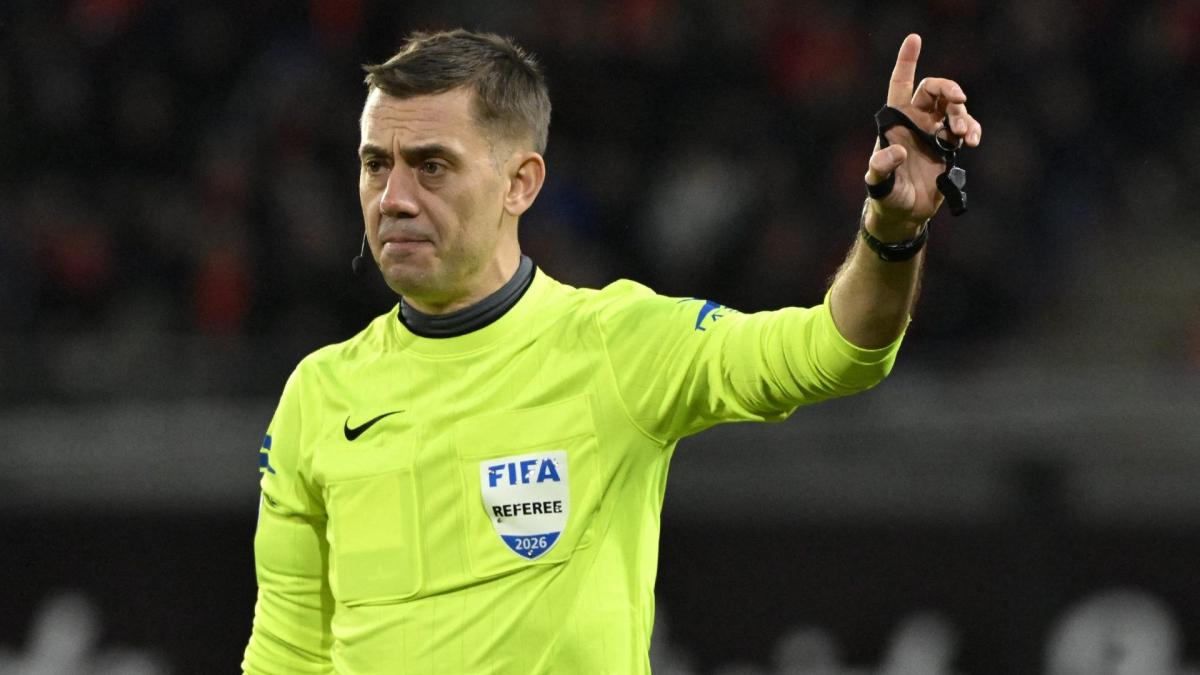
Before the match, a wave of anxiety swept through Italy with the selection of French referee Clément Turpin. Although considered a prominent figure in international officiating, Turpin’s previous involvement in Italy’s loss to North Macedonia loomed large in the minds of players and fans alike. In a country steeped in superstition, his presence was seen as a bad omen, exacerbating the already heavy pressure on the team. Many believe that this was more than mere coincidence; it felt like an ominous prediction.
### Three Contentious Refereeing Decisions
Turpin’s influence on the match quickly became a focal point of controversy. The crux of the debate revolved around three key moments that Italian fans saw as pivotal turning points.
#### The Bosnian Equalizer
In the 79th minute, Edin Džeko engaged in a physical duel with Gianluca Mancini, leading to a chaotic moment inside the Italian penalty area. Gianluigi Donnarumma managed to deflect the ball, but Haris Tabaković was there to score. Italian players immediately protested, alleging that Džeko had handled the ball, but Turpin validated the goal. The VAR’s lack of intervention further fueled outrage among Italian supporters, who felt that the entire incident warranted a penalty shootout rather than a goal.
#### A Missed Red Card
Moments later, in the 102nd minute, Marco Palestra appeared to be on a clear path to scoring when he was hacked down at the edge of the area by Tarik Muharemović. To the dismay of players and supporters alike, Turpin opted for a yellow card rather than a red, which many believed was a significant error in judgment. High-stakes matches like these require a keen sense of urgency from referees, and this decision was met with immediate fallout.
#### Further Controversial Moments
In the dying moments of the game, another potential foul was overlooked when Muharemović appeared to use his arm against Francesco Pio Esposito. The lack of consequences for these infractions only increased the frustration in Italy, where many feel that Turpin’s decisions played a substantial role in what became a historical low for the Nazionale.
## Conclusion
The scars of this match will linger in Italian football for the foreseeable future. Clément Turpin’s controversial officiating has ignited fierce debate and anger amongst fans, who believe that the referee’s decisions heavily influenced the outcome. As Italy continues to grapple with its footballing identity, this latest chapter serves as a reminder of the fragility of greatness and the harsh realities of modern football.