
Italy’s Elimination from the 2026 World Cup: Political Fallout and Reactions
Italy’s recent exit from the race for the 2026 World Cup has sent shockwaves through the nation, igniting political tensions that highlight the intersection of sports and governance in Italy. The defeat against Bosnia in the playoff match has not only disappointed fans but also catalyzed a fierce response from political parties, notably the far-right Lega Nord.
Political Backlash from Lega Nord
Shortly after Italy’s disheartening defeat, Matteo Salvini, the leader of Lega Nord, took to social media to voice his frustrations. The party’s official account on X (formerly Twitter) tweeted a biting commentary: “Eliminated again. No World Cup for Italy: it’s an unacceptable shame. Italian football must be rebuilt, starting with the resignation of Gabriele Gravina.” This sentiment underscores the party’s call for immediate accountability within the Italian football federation.
The Role of Football in Italian Politics
Football, or Calcio as it’s known in Italy, has long transcended the boundaries of mere sport, often becoming enmeshed in the political landscape. The Italian national team is not just a source of national pride; it’s a symbol of identity. Thus, many view the recent failure as a reflection of broader governmental inadequacies.
The outrage expressed by Lega Nord is indicative of a wider sentiment among Italian politicians and citizens alike. Salvini’s comments suggest that the political ramifications of sport are becoming increasingly pronounced, especially as Italy looks ahead to future competitions.
Calls for Action and Rebuilding
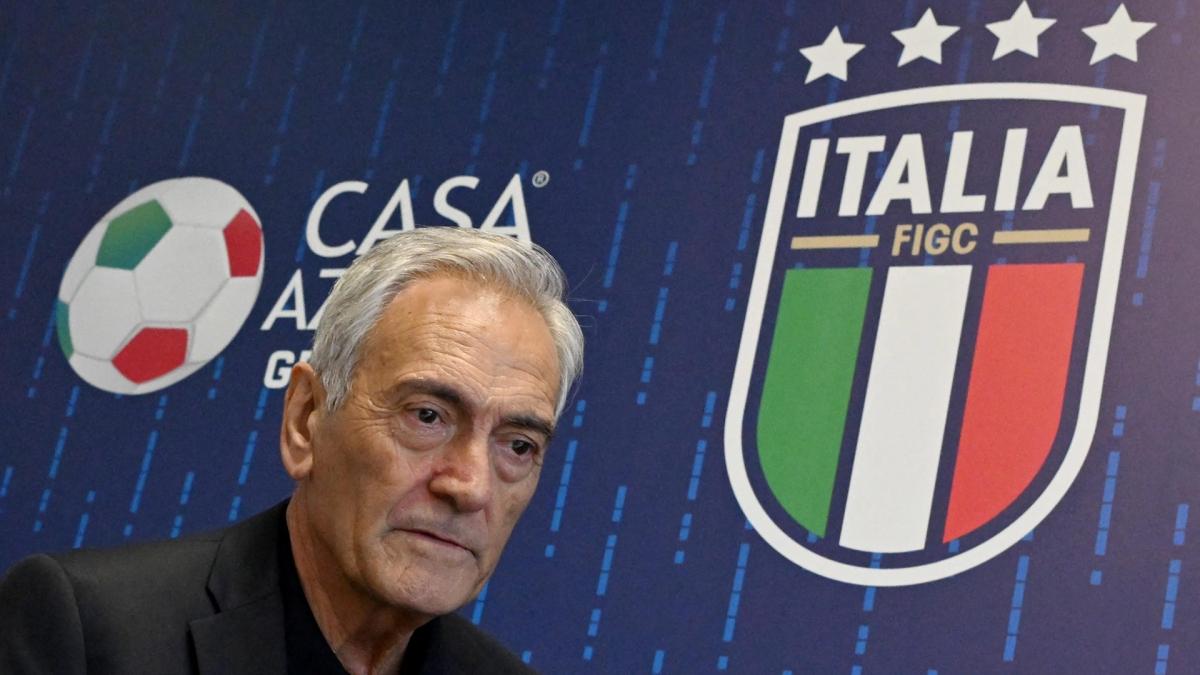
The insistence on Gabriele Gravina’s resignation signifies a major call for change. As president of the Italian Football Federation, Gravina’s leadership has come under scrutiny. Critics argue that substantial reform is necessary to address systemic issues within Italian football, suggesting that the path forward requires not only leadership changes but a comprehensive overhaul of the sporting framework.
The Broader Implications
Lega Nord’s demands signify a critical moment for both Italian football and its political climate. As football becomes a “state affair,” the focus will inevitably shift towards how institutions will respond to public sentiment. The fight for future glory in international competitions may depend on how well the government and sports authorities can collaborate to rebuild trust and efficacy within the sport.
Conclusion: The Future of Italian Football and Politics
In conclusion, Italy’s elimination from the World Cup has highlighted pressing issues within both football and Italian politics. As the conversation continues to unfold, it remains to be seen how the Italian football federation will respond to these demands. The current moment serves as both a challenge and an opportunity for Italy to reassess its approach to sports governance, ensuring that the country can once again compete on the world stage with pride and efficacy. The intersection of politics and football is more crucial than ever, and the stakes have never been higher.