
Withdrawal of Asylum Applications
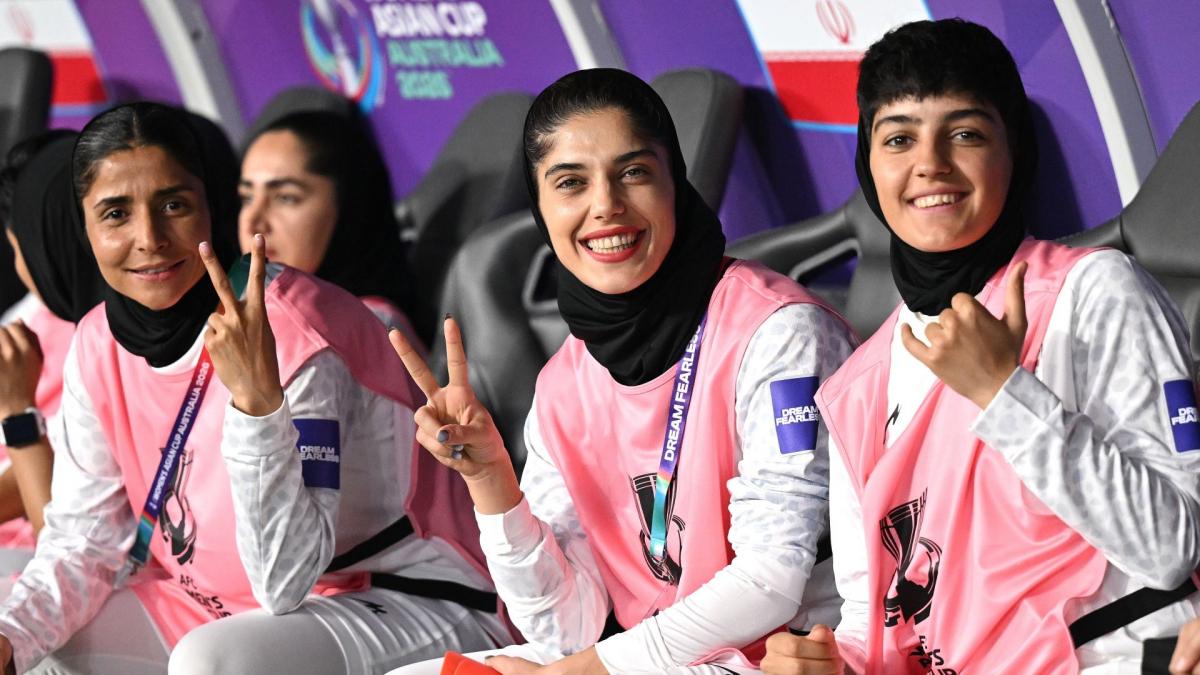
Several members of the Iranian delegation, participating in the Asian Cup in Australia, have withdrawn their asylum applications after initially seeking refuge. Reports from Iran International indicate that Zahra Meshkinkar, a member of the technical staff, played a pivotal role in this decision. Allegedly, she delivered messages from the Iranian sports authorities, urging the players to abandon their plans for exile and return to their home country.
Key Members Involved
Among those who withdrew their applications were players Mona Hamoudi and Zahra Sarbali, along with Zahra Meshkinkar herself. This decision came just before they joined their team in Kuala Lumpur, Malaysia, where the squad is currently waiting for a resolution regarding their return to Iran. Sources suggest that the players have been placed under close surveillance since their arrival in Malaysia, possibly as a response to their initial intentions.
Restrictions and Surveillance
Reports indicate significant restrictions on the Iranian delegation’s activities. Access to their hotel has been limited, blocking entry to journalists and outside visitors. Furthermore, it has come to light that some mobile phones have either been confiscated or are under tight control by officials from the Iranian Federation. This level of surveillance raises alarms regarding the players’ safety and freedom.
Rising Tensions
Tensions escalated earlier in the tournament when players chose not to sing the national anthem before their match against South Korea. This act has been perceived by state media as “wartime treason,” leading to strong backlash from Iranian authorities. The justice system of Iran has called on the sportswomen to return to their homeland “for the good of their families,” a statement that has stirred concerns among human rights organizations about potential repercussions upon their return.
Family Threats and Reprisals
Adding to the distress, reports have surfaced about threats made against the family members of some players. Notably, Zahra Ghanbari’s mother, the captain of the national team, has received threats from Iran’s security services, particularly the intelligence unit of the Revolutionary Guards. Such actions highlight the severe risks athletes face concerning their safety and well-being, amplifying fears about possible reprisals if they return to Iran.
Conclusion
The situation surrounding the Iranian delegation’s withdrawal of asylum applications during the Asian Cup unfolds as a complex issue entwined with human rights concerns and state control. As the players navigate this challenging path between their professional obligations and personal safety, the international community watches closely. The implications of these actions extend beyond sports, illuminating the tense atmosphere that continues to characterize the lives of many athletes in repressive regimes. The hope remains that dialogue can pave the way for greater freedom and safety for all involved.