
## Tensions Rise: Argentina vs. England at the 2026 World Cup
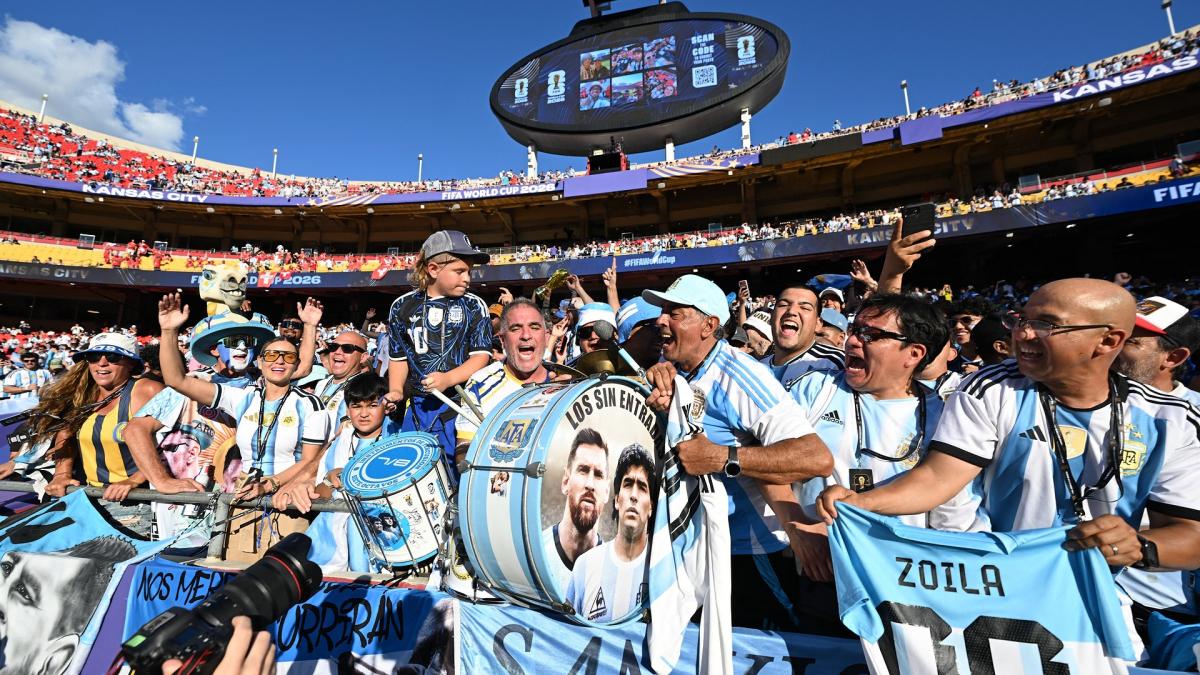
The semi-final showdown between England and Argentina at the 2026 World Cup was marked by intense emotions even before the first whistle. As the ceremonial atmosphere built, supporters from both camps were ready to make their voices heard, leading to an unprecedented moment during the performance of “God Save the King”.
### Argentine Fans Take the Stage
As the English anthem played, vibrant chants emerged from the Argentine section of the stadium. They drowned out the anthem with their own raucous call: “He who doesn’t jump is English.” This act of defiance was perceived as both provocative and spirited, igniting discussions across social media platforms. While many British fans expressed outrage over what they saw as a profound lack of respect, others interpreted it as a celebration of a long-standing, deeply embedded sports rivalry.
### A Historical Rivalry Rekindled
The discord between England and Argentina is steeped in history. Beyond football, the tensions are punctuated by the Falklands War in 1982, which shaped the political landscape and personal sentiments. The recent chanting has reignited old wounds and memories associated with this historical conflict.
On the pitch, the rivalry has its own memorable moments, such as Diego Maradona’s infamous “Hand of God” goal in the 1986 World Cup. Generational icons like Messi and the English team add layers to this rivalry, reminding fans and players alike of the stakes involved when these two nations clash.
### Reaction on Social Media
The atmosphere during these anthems did not go unnoticed. Prominent sports commentators reacted to the spectacle, as seen in the observation from Sky Sports News’ Rob Dorsett. He noted, “I’ve never heard that before. The national anthem completely drowned out by Argentine chants. Not booing, just chanting.” This sentiment was echoed by countless fans, highlighting the power of sport to incite passion and division alike.
### Cultural Commentary
The event raises questions regarding the boundaries of passion in sports. Should supporters express themselves as freely in international sporting events as they do in national arenas? While some see it as an act of solidarity and identity for one’s country, others argue it detracts from the unity that sports often aim to promote.
### Conclusion: A Match Beyond the Game
As the semi-final progressed, the energy in the stadium reflected not just a game of football but a narrative laden with emotion and history. England vs. Argentina is more than a contest for victory; it’s a canvas painted with the colors of nationalism, remembrance, and rivalry. Fans will likely reflect on this turbulent encounter long after the final whistle is blown, reminding everyone that in the world of sports, the past often shapes the present.
The 2026 World Cup continues to be a stage where history and sporting spirit collide, making it an unforgettable event for players and fans alike.