
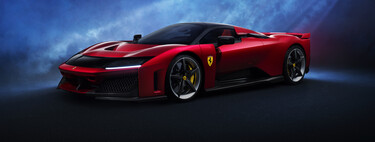
The unveiling of the Ferrari Luce marks a pivotal moment in the history of this esteemed automotive brand. While it breaks away from the traditional Ferrari ethos, its introduction as the first electric vehicle from the iconic company is more than just a shift in technology—it’s a game changer for the brand’s future.
Understanding the Debate Surrounding the Luce
Social media is abuzz with reactions to the new Ferrari Luce, signifying a divide among enthusiasts. On one hand, there are die-hard fans lamenting the departure from the roaring engines and raw power that define the Ferrari legacy. On the other, there are those recognizing the necessity of adapting to modern demands and eco-conscious trends.
The real shock here is the audacity of Ferrari to step into the electric vehicle (EV) arena. Many critics and fans alike express confusion and disapproval. Yet, it’s worth noting that this divergence might unlock new markets, drawing interest from a younger demographic more concerned with sustainability than horsepower.
Enzo’s Spirit Lives On, but in a New Form
Ferrari’s founder, Enzo Ferrari, famously proclaimed, “I don’t sell cars, I sell engines.” This philosophy has created a legacy where raw power and performance ruled. Enzo’s final masterwork, the F40, symbolized this ethos. While the Luce may seem like an affront to his vision, perhaps it’s a testament to his innovative spirit. In pursuing EV technology, Ferrari acknowledges that evolution is essential for survival and success.
The F40 was known for its simplicity and performance, with minimal luxuries to keep it lightweight. However, that era has shifted. Modern consumers demand a blend of luxury and power, especially when considering an investment like a Ferrari.
The Transition to Elegance and Convenience
The Ferrari Luce seems poised to embody the new ideal of a supercar—balancing exceptional performance with practicality. No longer just track monsters, today’s luxury supercars must be versatile enough for everyday use. They need to navigate city streets and act as aspirational vehicles without compromising on flair.
Interestingly, even with a steady increase in production, Ferrari has managed to keep demand high. This delicate balancing act indicates the brand’s growing ability to cater to a broader audience while maintaining the allure that comes with luxurious Italian engineering.
A Bold Move into the Future
The decision to collaborate with renowned designer Jony Ive on the Luce’s interior speaks volumes about Ferrari’s commitment to innovation. While the technical specifications—1,000 horsepower, four motors, and a massive battery—are impressive, they alone won’t define the vehicle’s success. The Luce aims to create a unique narrative, forging a new story in the illustrious Ferrari chronicle.
With a growing market of affluent consumers seeking cars that serve as status symbols rather than pure performance machines, Ferrari’s strategy appears shrewd. The Luce is designed for those who might not care for the iconic V12 sound but desire a design synonymous with luxury.
The Road Ahead for Ferrari
Critically, Ferrari must navigate the fine line between its traditional fanbase and new buyers. Enthusiasts may feel alienated by the electric shift; however, the reality is that true success lies in attracting a new generation that values both the brand’s rich heritage and the promise of sustainable, high-performance vehicles.
As we look forward to the Luce’s exterior reveal, it’s crucial to recognize this as more than just another model—it’s a strategic step into a future where electric vehicles are not just accepted but celebrated in the world of luxury automobiles.
In conclusion, while the Luce may ruffle feathers among purists, its introduction heralds a new age for Ferrari—a blend of heritage and innovation designed to meet the changing landscape of automotive desires.