
The Future of the Internet: A Battle Against Anonymity
Discord recently announced a significant shift in its user policies by implementing a global age verification system. Starting next month, all new accounts will default to “teen-appropriate” settings unless users can prove their adult status. This decision reignites crucial discussions about privacy and anonymity across social media and the internet at large.
How the Age Verification System Works
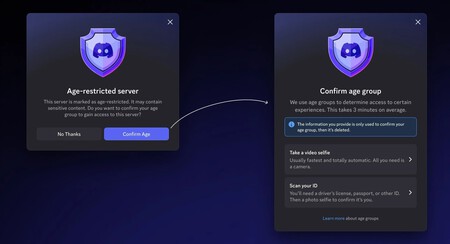
According to Savannah Badalich, Product Manager at Discord, the age verification process has been designed to be minimally invasive. “Discord does not use private messages or any message content in the age verification process,” she states. For most adult users, no verification will be necessary, as Discord plans to utilize an age inference model based on account data, device information, and aggregated patterns in user behavior.
However, for users who are unable to meet these inference criteria, the situation becomes more complex. Those who fail to verify their age will lose access to specific channels and servers that enforce age restrictions, and they will face additional content filters and restrictions.
Verification Methods: Face or ID
For users needing to validate their age, Discord offers two primary methods:
Face Verification: Users can submit a real-time selfie video, which an AI will analyze for age estimation. According to Discord, this selfie will not leave the user’s device.
Identification Document: If the face verification fails, users can opt to submit a photo of their ID. Discord assures users that these images will be promptly deleted after age confirmation.
However, past scandals raise alarms over data privacy. A previous attempt at age verification resulted in a massive data leak involving sensitive identification documents from users.
The Battle Against Anonymity
Anonymity has long been a cornerstone of internet freedom, allowing users to explore and express opinions without fear of backlash. Yet, this same cloak has facilitated toxic behavior online, creating environments rife with harassment and abuse. Governments worldwide are increasingly pushing for measures that dismantle anonymity under the guise of protecting minors. While these policies may help to moderate toxic speech, they create significant risks.
Privacy Risks and Government Oversight
The shift toward mandatory verification raises the concern of creating surveillance systems disguised as safety measures. By eliminating anonymity, platforms risk transforming into tools for state scrutiny. The potential for data misuse, especially in the face of previous breaches, can lead to increased surveillance rather than the protection of user safety.
The Paradox of Privacy and Security
Ironically, as Europe, a region known for its defense of privacy rights, embraces these age verification measures, it undermines the structural privacy that defined the internet. Removing anonymity could lead to a heavily monitored digital space, where freedom of expression is contingent upon government approval, thereby violating the very principles that privacy advocates hold dear.
Community Response: Distrust and Resistance
The backlash on platforms like Reddit reflects a pervasive distrust among users regarding these changes. Key concerns include:
- Refusal to Submit Identification: Many users express a willingness to leave Discord rather than provide personal information for age verification.
- Distrust due to Prior Breaches: The history of data leaks has left users skeptical of how their information will be handled.
- Perception of Hypocrisy: Users note that despite the age validation process, Discord still accepts payments from adult services without verifying user ages.
Conclusion: The Inevitable Impact on Social Media
As age verification and anonymity discussions continue to evolve, it’s essential to navigate this landscape carefully. The tension between protecting minors and preserving individual privacy represents a significant challenge for platforms like Discord. The decisions made today will undoubtedly shape the future of social media and the broader internet, leading to critical reflections on what the balance between safety and freedom should look like.
Image by Jeremy Weber | Source: Unsplash
As we forge ahead, it remains pivotal to engage in open debates about the implications of such policies, ensuring that they do not compromise the fundamental freedoms that the digital world offers.