
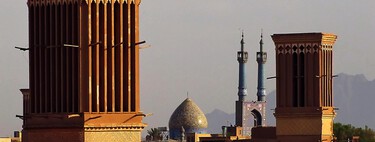
How Heat Influences Our Lives and Architecture
The heat not only makes you sweat; it also impacts how you think, sleep, and interact with others. Over the years, many have turned to air conditioning as a solution to combat this problem. However, long before modern machines became the norm, an Egyptian architect conceptualized an alternative: if heat affects our well-being, then perhaps buildings should be the first to adapt.
The Vision of Hassan Fathy
The life of Hassan Fathy transformed dramatically in 1941 when he visited a small Nubian village along the Upper Nile. There, he discovered mud houses that seamlessly blended with the landscape and maintained a comfortable temperature even under the harsh Egyptian sun. While contemporary architecture celebrated steel and glass, Fathy pondered why these simple structures thrived in their environment.
Understanding the Psychological Effects of Heat
Fathy recognized a truth that is now echoed in today’s research: uncomfortable living conditions do not just raise energy usage—they also deteriorate mental health, sleep quality, and overall life satisfaction. His goal wasn’t grandiosity in design but creating spaces where the very air serves the residents’ comfort.
Rediscovering Ancient Techniques
To achieve this, Fathy revived forgotten building techniques: interior courtyards, narrow alleyways, thick adobe walls, and natural ventilation systems capable of circulating air without mechanical assistance. His innovative designs contributed to a revolutionary architecture that “sweated” to cool down.
Buildings That Cool Naturally
One of Fathy’s notable innovations was the incorporation of wind collectors and evaporative cooling systems. He designed homes strategically to take advantage of the sun’s position and the prevailing winds, allowing for efficient airflow. In some cases, the air was channeled over wet coal or surfaces, mimicking human sweat to regulate temperature.
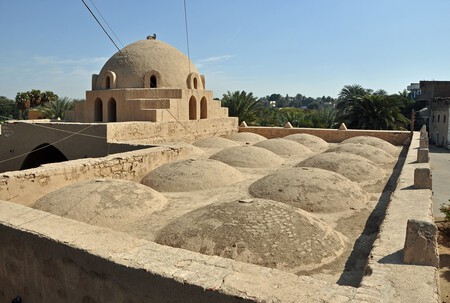
Roof and dome of the Kourna Mosque seen from the minaret
Challenges with Modern Architecture
While Fathy advocated for local materials and design solutions, much of the Middle East shifted toward Western architectural models, resulting in concrete blocks and glass façades that trapped heat. For Fathy, this approach generated thermal issues that could not be adequately resolved with air conditioning.
The New Gourna Experiment
Fathy’s most illustrious project, New Gourna, near Luxor, demonstrated his principles in action. Built in the 1940s to house displaced families, it featured adobe homes, winding streets, and natural elements carefully oriented to the sun’s path. His aim was to show that entire communities could thrive in harmony with their environment.
A Paradox of Progress
Unfortunately, many residents altered Fathy’s designs, favoring modern materials that proved less effective. The result was homes that trapped heat rather than dissipated it, leading to increased dependency on mechanical climate control. This scenario exemplified Fathy’s warning: as communities prosper, they often mimic the less suitable housing of wealthier classes.
Legacy and Relevance Today
Fathy, once considered eccentric in his hometown, gained acclaim internationally as a pioneer of sustainable architecture. His ideas have influenced future generations of architects focused on bioclimatic construction. Today, amid rising global temperatures, many of Fathy’s methods are making a comeback in architectural discussions, highlighting the importance of integrating natural materials and passive design principles.
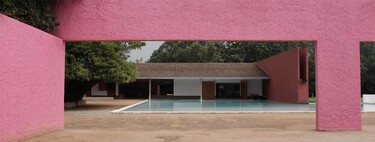
Even UNESCO is focused on preserving Fathy’s legacy, not merely as historical interest but as a model for future architecture. Perhaps the smartest building isn’t the most technologically advanced, but the one that prevents heat from becoming an adversary.