
Understanding Rail Fractures: Causes and Implications
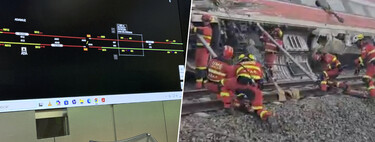
The recent train accident in Adamuz (Córdoba) has sparked investigations into its causes, particularly focusing on the potential for rail fractures. As officials work through the evidence, it’s essential to understand how these fractures occur, what implications they may hold, and whether they could be linked to the vibrations felt while traveling by train.
The Nature of Rail Fractures
Rail fractures typically don’t happen due to a singular event. Instead, they often result from progressive stress fractures over time. The rail carries millions of load cycles during its lifespan. If a weak area exists—such as a defect, weld issue, or microcrack—each passing train gradually degrades the rail’s integrity. Eventually, this weakening culminates in a sudden fracture.
Currently, there remains no definitive evidence linking the Adamuz accident directly to a rail fracture. Investigators are continuing to analyze the records and metallurgical data, emphasizing that assumptions should not be formed solely based on images published following the accident.
How Vibrations Affect Rail Integrity
It’s important to note that the vibrations felt during train travel are usually not sufficient to directly cause derailing. Experts identify several scenarios that must occur before a train can derail, including:
- Significant rail breakage.
- Major loss of track geometry.
- Structural failures within the train itself.
- Obstacles on the track.
- Unfavorable combinations of speed and undetected defects.
The vibrations are typically accounted for in the design of both trains and tracks. High-speed rail systems operate under broad safety margins, ensuring that occasional vibrations don’t pose a safety hazard.
Role of Maintenance in Preventing Rail Fractures
Regular maintenance is crucial for ensuring rail integrity. Even with a significant recent investment of €700 million for track renovation, the following defects can still contribute to a rail’s failure:
- Manufacturing defects, such as internal microcracks or steel segregations.
- Faulty welds, which can introduce residual stresses or poor alignment.
- Fatigue due to repeated loads, especially at high speeds.
- Thermal stresses that arise in continuous welded rail systems.
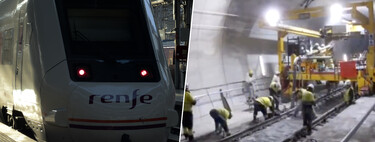
Effective rail design incorporates flexibility and balance to manage loads effectively. As the rail interacts with various mechanical and thermal forces, it seeks to distribute stresses evenly to avoid concentrating them in any singular area.
The Conclusion on Rail Fractures
While conjectures regarding the Adamuz train derailment dwell on possible rail fractures, no official findings have confirmed these hypotheses as the root cause. As investigations continue, understanding the complexities behind how rail fractures occur can provide insight into improving safety measures within the rail industry.
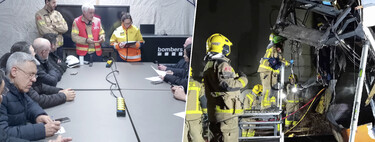
Please note that the understanding of rail systems and potential incidents like the Adamuz accident highlight the critical need for advanced monitoring and maintenance protocols to ensure passenger safety and vehicle reliability.