
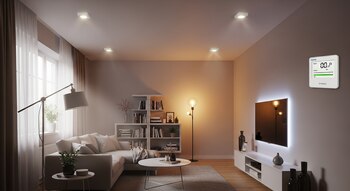
Understanding LED Technology
LED technology has emerged as one of the most efficient and sustainable solutions for lighting in both residential and commercial spaces. This innovation primarily relies on light-emitting diodes, which allow for significant reductions in electricity consumption while extending the lifespan of bulbs and enhancing light quality.
Energy Efficiency of LED Bulbs
The efficiency of LED technology is astounding. An LED bulb can consume up to 80% less energy than a fluorescent bulb and up to 10 times less than an incandescent bulb. For instance, an 8-watt LED bulb can produce the same amount of light as a 60-watt incandescent bulb or a 15-watt fluorescent bulb. This substantial difference in energy usage leads directly to lower electricity bills in both households and businesses.
Benefits Beyond Energy Savings
In addition to energy savings, LED bulbs offer numerous advantages. One of the most significant benefits is durability; LED lamps typically last between 25,000 and 50,000 hours. This means that with average daily usage of three hours, they can function for up to 20 years. This extended lifespan minimizes the need for frequent replacements, thereby reducing the impact associated with electronic waste disposal.
Quality of Light
LED bulbs excel in light quality, providing superior color reproduction with indices reaching between 90 and 95 out of 100. They also offer a range of color temperatures, from warm tones around 2,100 K to cooler tones of 6,500 K. This flexibility allows for personalized lighting that enhances any space’s functionality and aesthetics.
Environmental Impact
From an environmental perspective, LED lighting is notable for its lack of mercury or other hazardous materials found in older technologies. This makes LED bulbs easier to recycle and reduces pollution risks. Additionally, lower energy consumption translates to decreased carbon dioxide emissions, contributing to the fight against climate change.
Optimizing LED Usage
While switching to LED lighting is a significant step towards efficient electricity use, optimizing lighting setups can yield even greater results. For instance, selecting the appropriate wattage based on the area and lighting level can prevent unnecessary energy expenditures.
Using Natural Light
Maximizing natural light during the day can further reduce reliance on artificial lighting. Utilizing curtains, blinds, or reflective surfaces can help distribute sunlight evenly, adjusting intensity based on real-time needs.
Smart Solutions
Incorporating presence sensors or timers automates lighting, turning it off when areas are unoccupied. This is especially beneficial in communal spaces such as hallways, stairways, and garages. Furthermore, many LED options come with dimmable features that allow users to control light intensity via dimmers or smart devices, enhancing comfort and further cutting energy use.