
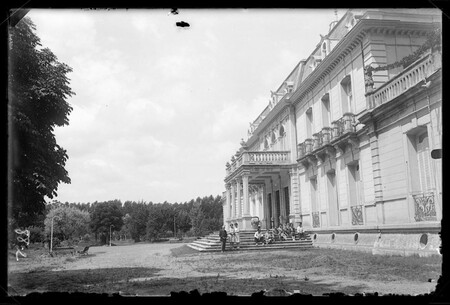
The Revival of Gosálvez Palace: An Enduring Treasure in Cuenca
Gosálvez Palace, a magnificent mansion built in the early 20th century in Casas de Benítez (Cuenca), stands near the picturesque Júcar River. Once the luxurious residence of industrialist Enrique Gonsálvez and his expansive family, the palace has been in a state of plunder and abandonment for decades, much to the despair of local residents. However, hopes have risen recently as news broke in March regarding a change of ownership, aiming to transform it into a unique event space and accommodation.
The significant question remains: Will this famous palace, often referred to as the “Versailles of Cuenca,” rejuvenate, or will it merely add another chapter to its long history of decline?
An Architectural Gem
Often likened to “the Versailles of La Mancha,” Gosálvez Palace, although not as grand as its French counterpart, is still a hidden gem worthy of admiration. Built around 1900, this culturally rich site is cataloged as an Asset of Cultural Interest (BIC) and attracts hundreds of visitors annually. Ensuing its glory days, the mansion has seen deterioration, but it still encapsulates charm through its French-influenced architecture, which aligns with palatial designs seen in northern Spain during the early 20th century.
Within its nearly 20 rooms, the palace was once adorned with elegant furniture and surrounded by lush gardens. The estate also boasts architectural marvels including towers, a neo-Gothic chapel, a gazebo, and an expansive garden featuring rare plant species endemic to Castilla-La Mancha. Adding to its allure, the palace hosts a fountain known as “The Tsarina,” allegedly gifted to Gonsálvez by the wife of Tsar Nicholas II.
A Palace in Decline
Despite its rich history and architectural significance, the palace has faced a series of unfortunate circumstances since Gonsálvez’s death. Once a symbol of luxury and prosperity, the property has suffered extensive deterioration, marked by decades of neglect and mutilation. It currently holds a place on Hispania Nostra’s “red list,” highlighting heritage sites at risk of disappearance. The extensive neglect has led to looting and a crumbling structure, stirring concerns among heritage activists and local residents.
Hope on the Horizon
In a promising development, a Swiss couple has expressed interest in breathing new life into Gosálvez Palace. Their plans for rehabilitation include transforming the site into a venue for social events and accommodations, as reported in March by elDiario.es. The couple’s enthusiasm was also broadcast on their Instagram account, which has garnered 24,400 followers. The community received the news of new ownership with cautious optimism, as various media outlets and local associations echoed their support.
During an extraordinary assembly held in August, members of the Friends of the Gosálvez Palace and its Surroundings Association celebrated the news, remarking that the renewed interest reflects a commitment among heritage lovers to restore the once-glorious site.
Challenges Ahead
However, the path toward restoration is riddled with obstacles. A recent report in The Confidential highlighted that progress on the project may not be as swift as initially anticipated. Although the couple cleared the land, efforts to initiate construction have been met with bureaucratic delays due to the building’s BIC status. Newly imposed restrictions have stalled even basic maintenance work, prompting concerns about the effectiveness of heritage protection laws.
In an October post, the new owners lamented that ongoing bureaucratic red tape might impede any meaningful restoration. They criticized the regulatory environment, asserting that it hinders efforts to preserve historic sites, suggesting that the profound administrative burdens have deterred potential investments.
Community Sentiment
Local officials, including the mayor of Casas de Benítez, have echoed the frustrations of the new owners. They pointed to unrealistic expectations surrounding the restoration timeline and costs. The mayor expressed concerns that an expedited revival would require meticulous adherence to protocol, further complicating the process. Local heritage groups have also emphasized that given the building’s precarious state, qualified professionals will need to oversee any renovation efforts, ensuring safety and compliance with regulations.
In a bold statement, the new owners affirmed their determination to succeed despite the hurdles, insisting they would not abandon their vision to see Gosálvez Palace restored to its former glory. For now, this architectural treasure remains on Hispania Nostra’s “red list,” with the dream of transforming it into a vibrant establishment still very much alive.
With aspirations of revival, community support, and ongoing discussions, the future of Gosálvez Palace is poised on the edge of uncertainty. Still, the passion for its restoration keeps hope alive.