
Innovative Technology Combats Avian Flu on Japanese Poultry Farms
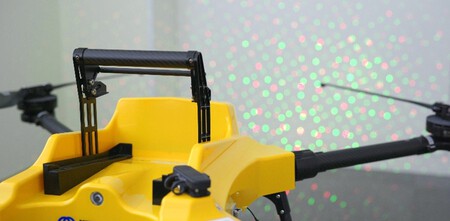
For years, Japanese poultry farms have relied on traditional measures such as networks, periodic cleanings, and access controls to combat the threat of avian flu . However, in the Chiba Prefecture , known as a national leader in egg production, authorities are collaborating with the NTT Group to introduce a groundbreaking ally in this battle: drones equipped with laser beams. Beginning in mid-October, these advanced devices will be deployed to scare away wild birds that are potential carriers of the virus, aiming to enhance traditional prevention methods with a technological edge .
This new initiative emerges in the wake of one of the most challenging seasons for the sector. Between January and February 2025, the Chiba Prefecture recorded over 51 outbreaks of avian flu across 14 prefectures, resulting in the culling of over 3.3 million birds . This devastating toll emphasized that while traditional methods like disinfection and access controls had been effective for years, the possibility of viral transmission remained, primarily through migratory birds and even farm workers’ clothing.
A Novel Approach to Biosecurity
The project is spearheaded by NTT , a major player in telecommunications and technology, through its subsidiary NTT E-Drone Technology. This collaboration with the Chiba Prefecture government aims to bolster biosecurity in the poultry industry, specifically in the aftermath of recent avian flu outbreaks that severely impacted local poultry producers.
The chosen drone model, known as BB102 , is equipped with the Kuruna Move device, an innovation developed by the Chiiki Soken Japanese association. This device emits red and green beams to deter wild birds. The effectiveness of these colored lights hinges on the instinctive reactions of birds, which perceive the lights as a threat. Furthermore, the system produces a random light pattern featuring a flickering effect, preventing the birds from becoming accustomed to the deterrent.
Operational Mechanics of the Drones
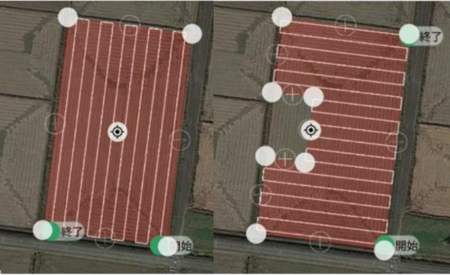
In Chiba’s deployment, BB102 drones will patrol critical farm areas, including roofs, open spaces, and feed tanks. The operators will define the flight perimeter on a transmitter screen, allowing the drone to execute autonomous flight paths while maintaining the necessary altitude. With approximately 25 minutes of flight autonomy , these drones can conduct periodic missions tailored to peak bird activity times.
The aerial capabilities of the drones provide a significant advantage over fixed systems, allowing them to reach difficult areas where traditional barriers may be ineffective. Furthermore, as mobile and programmable devices, they can adjust their routes based on changing bird flight patterns or ground configurations. Importantly, the entire operation is managed from the ground, avoiding direct interaction with wildlife and eliminating noise or chemical usage.
Historical Context and Effectiveness
The use of lasers as a method for deterring birds is not unprecedented. Prior to the deployment in Chiba, the Kuruna Move device was trialed in the Kanagawa Prefecture, where it successfully diverted crows from several farms. Technicians noted a marked reaction from the birds whenever the red and green flashes were introduced, confirming its efficacy without auditory disruption or the need for chemicals.
A Balanced Risk Management Strategy
The primary goal of this system is to mitigate risk rather than entirely eliminate it. By evaluating the drones’ performance in real production environments, the effectiveness of this combination can be measured under varying species and weather conditions. Should the results prove favorable, integrating drones and lasers could serve as a vital new layer in existing biosecurity protocols alongside traditional measures.
Financial Considerations and Assistance for Implementation
Integrating this technology demands considerable investment, including equipment, maintenance, and personnel training. To facilitate its adoption, the Chiba government introduced a specific subsidy program in July, providing 20 million yen (approximately 125,000 euros ) to assist groups of producers or cooperatives in covering up to 33% of the technology’s costs .
This economic strategy is rooted in a preventive approach: investing in technology now to mitigate more significant damages down the line. Individual outbreaks of avian flu can incur massive economic losses, leading to the destruction of thousands of birds. Therefore, investments in drones and lasers are viewed as a long-term cost-saving measure. Additionally, automation reduces the labor needs for deterrence and enhances daily surveillance efficiency.
Responsible parties for this initiative have indicated plans to explore its adaptation for various agricultural settings and sensitive areas where bird presence poses risks. The implications of this innovative solution may well extend beyond poultry farming, potentially addressing biosecurity in broader agricultural contexts.