
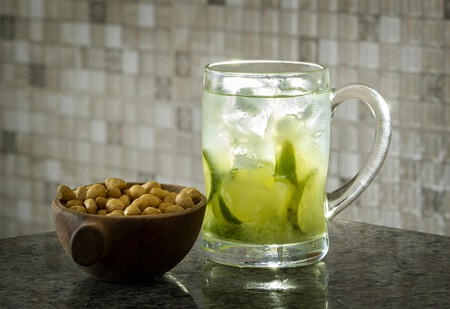
The Caipirinha Crisis: São Paulo’s Drink Dilemma
São Paulo, Brazil’s bustling metropolis, is globally renowned for its vibrant nightlife and, more importantly, for its iconic cocktail, the caipirinha. Traditionally crafted from cachaça, fresh limes, sugar, and ice, this cocktail has made its mark on bar menus worldwide. However, in recent days, the citizens of São Paulo have been facing a sobering reality: the consumption of caipirinhas and other spirits has sharply declined due to a threat that looms larger than any festive spirit—methanol poisoning.
Recent reports indicate a significant reduction in orders for caipirinhas across bars in São Paulo. Instead of requesting this quintessentially Brazilian drink, young locals are opting for safer alternatives such as beer or wine . Edilson Trindade, a bar manager in the city, commented on the shift stating, “Customers are worried.” Last week, his establishment did not serve a single caipirinha—a far cry from the usual dozens.
The Impact of Methanol Poisoning
The decline in alcohol sales stems from a wave of methanol poisoning incidents, which have alarmed both authorities and the public. On a recent Sunday, the Brazilian Ministry of Health reported 255 cases of suspected methanol poisoning: 16 confirmed, and 209 under investigation. Most alarmingly, these cases predominantly originated in São Paulo. Health officials are grappling with the urgency of the situation as they work to ensure public safety.
Statistics compiled by Bloomberg suggest that bars and restaurants fear their sales might decrease by as much as 30%. Some venues have experienced a staggering 50% drop in consumption of distilled spirits like vodka and whiskey, and even beer sales are faltering due to fewer customers. The ongoing crisis resulting from methanol contamination has left businesses reeling with adverse economic impacts.
Understanding the Dangers
Methanol is a toxic substance that can lead to severe health complications, including vomiting, blindness, and even death. The Brazilian government has expressed grave concerns, with officials noting that there might be as many as 15 potential fatalities, although only two deaths have been confirmed so far. “Until there’s a complete understanding of the extent of these incidents, the public should avoid consuming distilled spirits,” advised Alexandre Padilha, Brazil’s Minister of Health.
Officials emphasize caution regarding alcohol consumption, particularly if drinks’ origins are uncertain. Bars are now bearing the brunt of consumer wariness, forcing a re-evaluation of drinking habits in São Paulo. This sudden shift in attitude highlights the delicate balance between public enjoyment and public safety.
Authorities Take Action
The government is addressing the crisis by enhancing measures to combat methanol poisoning. Regulatory actions include inspecting bars and distributors while confiscating suspect products. Since the end of September, authorities have seized over 7,000 bottles for investigation and temporarily closed several establishments for compliance checks.
Additionally, health officials are increasing their preparedness for potential poisoning cases, signaling a commitment to protect public health through decisive action. The ongoing investigation aims to clarify the origin of contaminated alcoholic beverages, which are suspected to contribute to the rise of poisoning incidents.
Market Concerns and Adulterated Beverages
The question of whether the methanol exposure was accidental or intentional remains a focal point of law enforcement investigations. Some illicit distillers may be adding methanol intentionally to increase profit margins, with research suggesting that over 28% of the Brazilian market is compromised with adulterated drinks. This prevalence is attributed to lower prices—35% cheaper than legal alternatives—making them an appealing option for consumers looking for affordability.
As the situation unfolds, the mix of alcohol and economics raises concerns that go beyond mere intoxication, highlighting a need for stringent oversight in the Brazilian beverage industry. The caipirinha, once celebrated as a cultural hallmark, now stands as a cautionary tale in the wake of a growing health crisis.
The streets of São Paulo, once alive with the vibrant spirit of nightlife and the rise of caipirinhas, are now shadowed by uncertainty and caution. The public’s diminishing trust in the safety of their favorite drinks has led to profound implications for the beverage industry. It remains to be seen whether the city can recover its former vibrancy and restore its reputation as a hub for spirited celebrations while addressing the dire need for safety and regulation in its thriving but precarious cocktail scene.